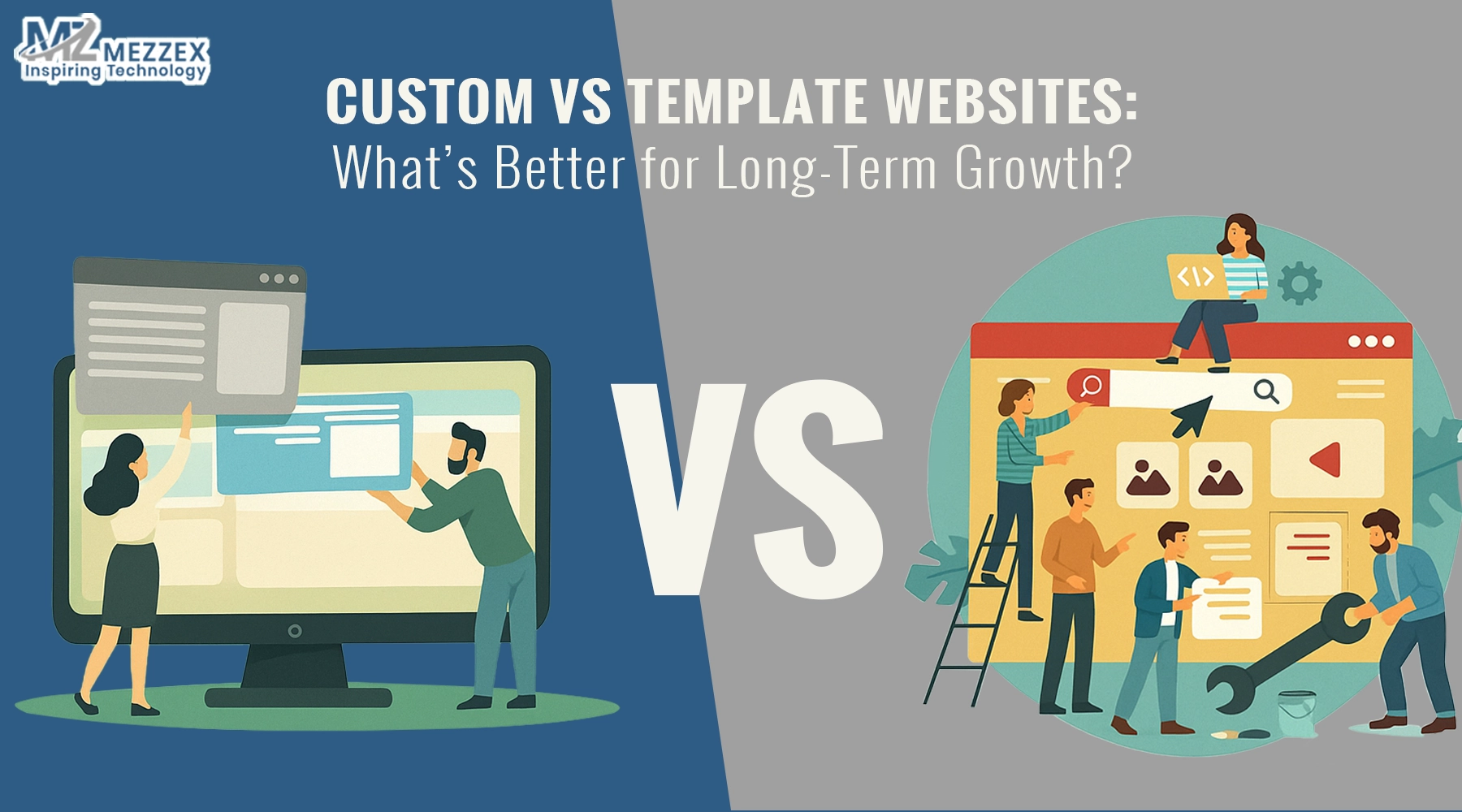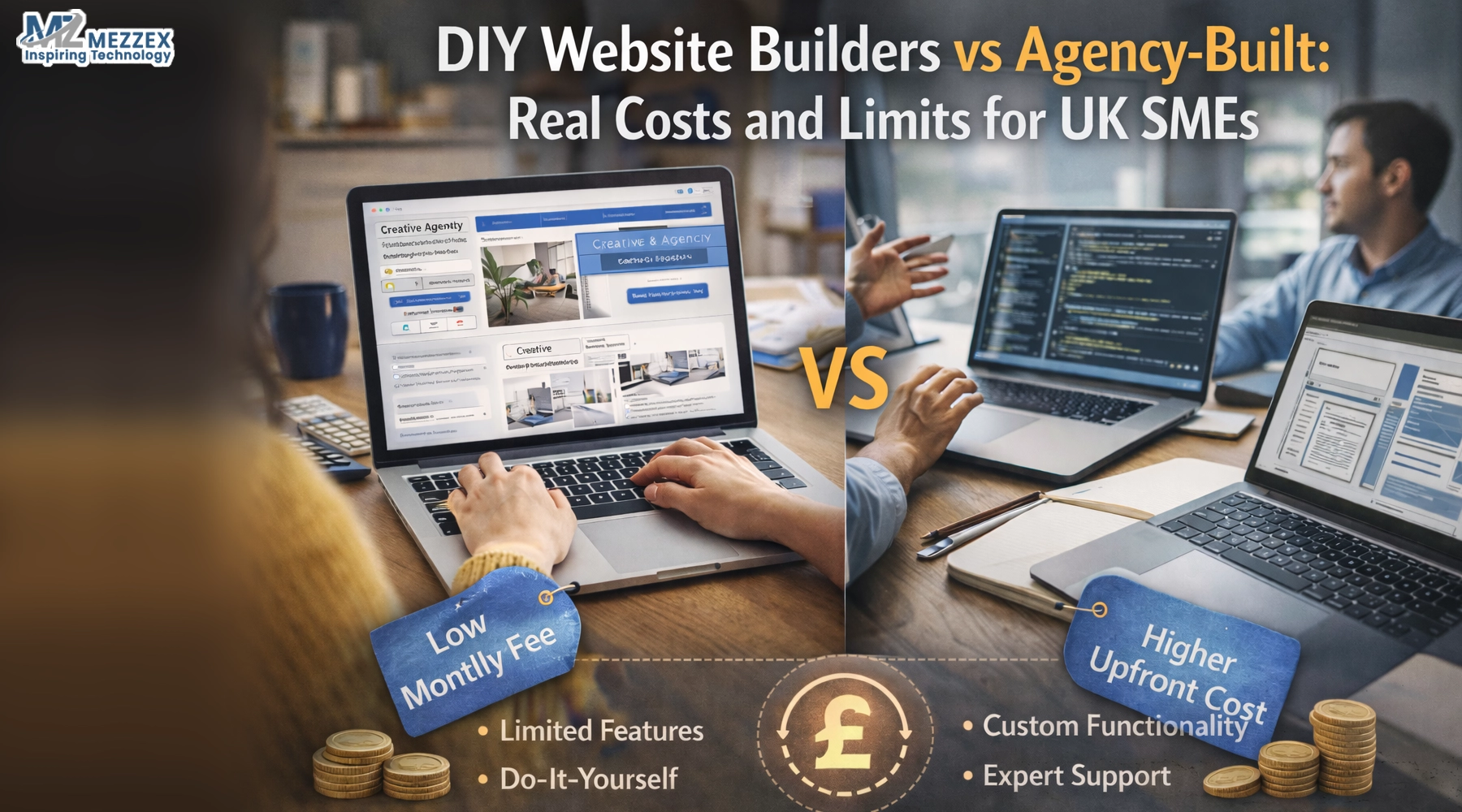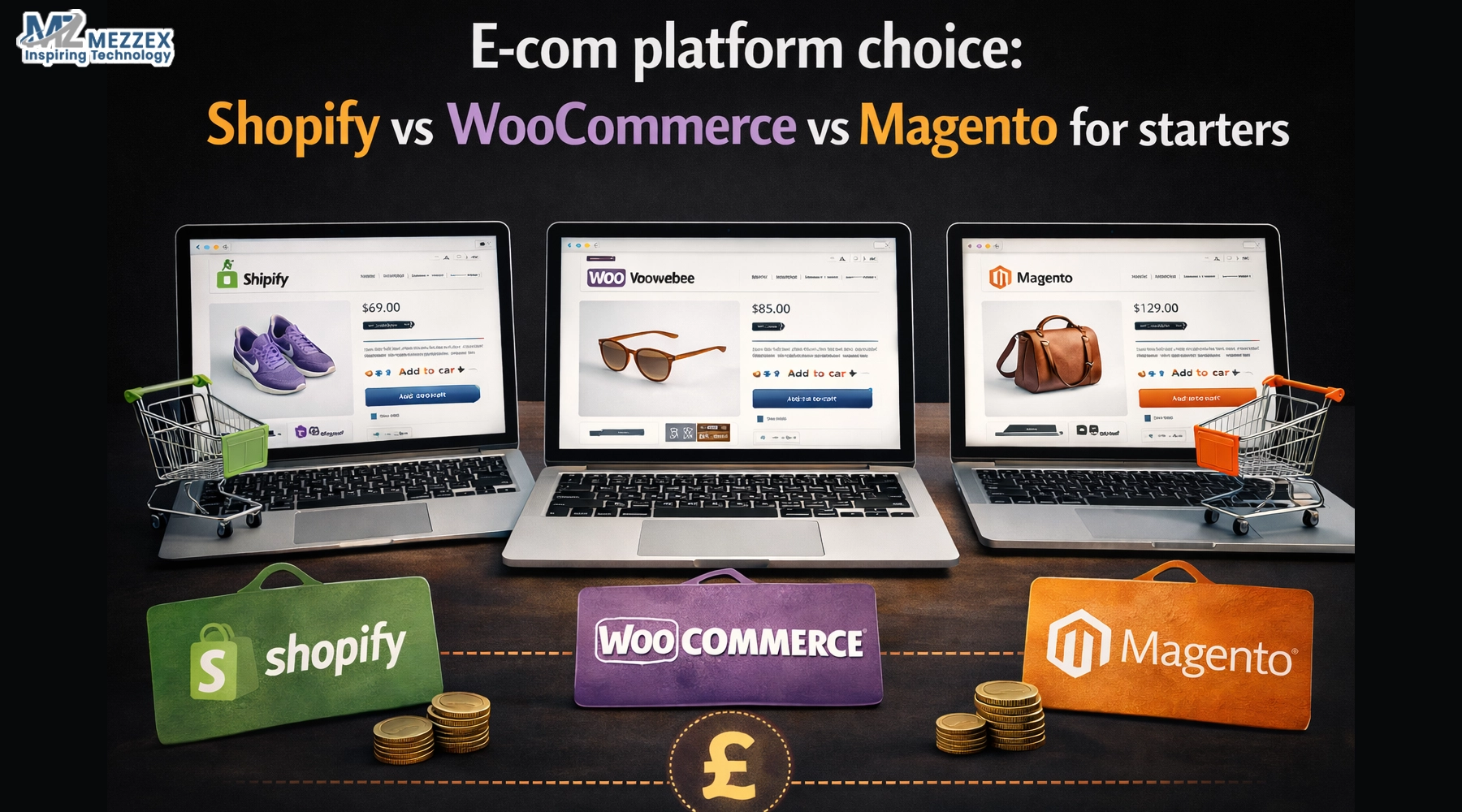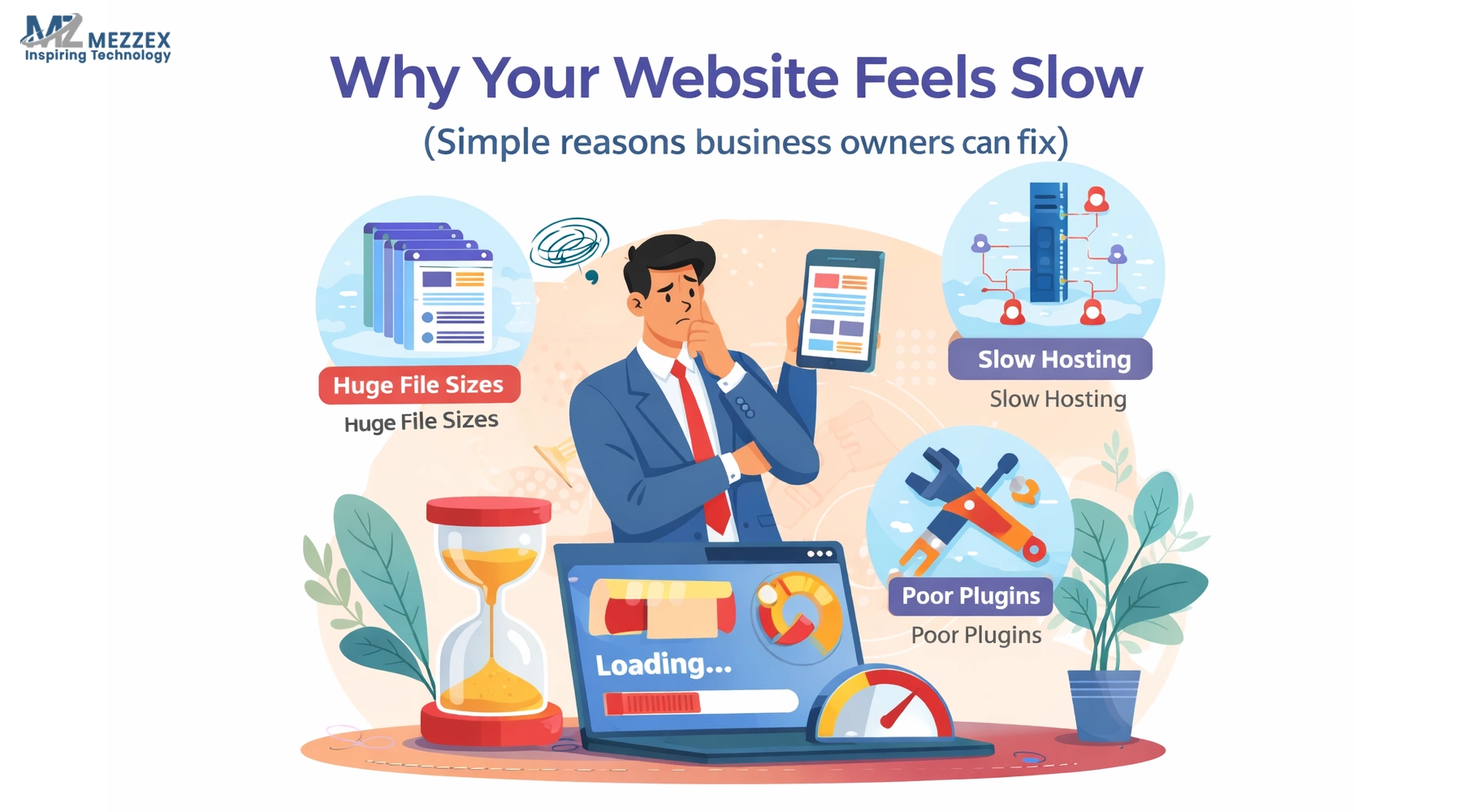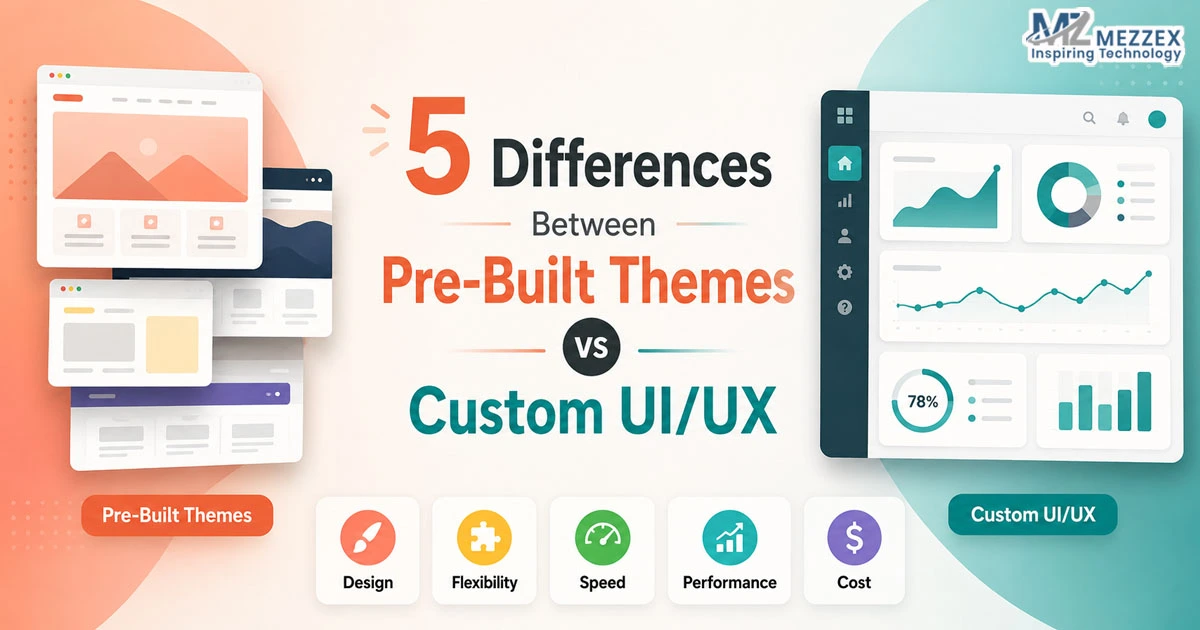
A polished website can still lose people in seconds. The design looks fine, yet the menu confuses visitors, the buttons feel hidden, the mobile layout feels cramped, and the enquiry form sits too far down the page. This often happens when a business bends its message around a pre-built theme. Custom UI/UX takes a more careful route. It starts with the people using the website and the actions they need to take. Here are five clear differences between pre-built themes and custom UI/UX before a business invests in website design and development.
Why This Decision Matters Before A Website Build
The theme or custom UI/UX decision shapes how people read, move, enquire and buy. It affects more than layout.
- A pre-built theme gives a ready-made structure with set page blocks, banners, menus and content areas.
- Custom UI/UX starts with the user journey, business goals, page purpose and the next action visitors need to take.
- A quick theme may suit a simple launch, but it can limit how the site explains services, products or customer steps.
- Custom website design gives more control over navigation, mobile flow, calls to action, forms and conversion routes.
- This decision matters for ecommerce stores, service businesses, B2B portals and brands that rely on online enquiries.
- A website design and development project works better when design, content and functionality support the same goal.
1. Pre-Built Themes Start With A Template, Custom UI/UX Starts With People
The first difference comes from the starting point. A theme begins with a layout. Custom UI/UX begins with behaviour.
- Pre-built themes offer fixed patterns, such as homepage sections, service cards, gallery blocks, sliders and standard contact areas.
- The business often adjusts its words and images to fit the theme, which can make the message feel squeezed into someone else’s structure.
- Custom UI/UX looks at what visitors need first: quick service details, product comparison, proof, pricing signals, contact options or checkout support.
- A custom route maps the path from landing on the page to taking action, so each section has a clear job.
- This matters when different users need different routes, such as customers, suppliers, partners, trade buyers or account holders.
- Mezzex’s UI design and development approach can connect interface design with practical web development, so the page does more than look tidy.
- The main difference is clear: a theme asks what fits into the layout, while custom UI/UX asks what helps the user move forward.
2. Pre-Built Themes Can Look Familiar, Custom UI/UX Builds Brand Character
Many theme-based websites use the same visual patterns. That can make one business blend into another, even when the service behind it is different.
- Pre-built themes often rely on similar headers, image areas, icon strips, testimonial rows and call-to-action blocks.
- A business can change colours, fonts and photos, but the page still may feel like a familiar template.
- Custom UI/UX gives more control over spacing, page rhythm, content order, button style, icons, forms and interaction details.
- A custom layout can reflect how a brand speaks, sells and supports its customers.
- This helps businesses in competitive markets where visitors compare several companies before making contact.
- Custom website design can create stronger consistency across desktop, tablet and mobile screens without forcing every page into the same pattern.
- The point is not decoration. It is identity, clarity and a smoother way for visitors to understand the brand.
3. Pre-Built Themes Can Carry Extra Features, Custom UI/UX Keeps The Build Focused
A theme often includes more than one business needs. Those extra features can affect speed, editing and long-term control.
- Many pre-built themes include animations, scripts, layout options and visual effects that may never get used.
- Extra code can make pages heavier and harder to refine when performance becomes a concern.
- A custom build can focus on the features that matter, such as contact forms, product filters, service routes, booking steps, account areas or checkout flow.
- A leaner structure can improve the way users move across the site, especially on mobile.
- Developers can shape the frontend and backend around the project instead of working around theme limits.
- Mezzex works across WordPress, Shopify, PHP, .NET, Joomla and CMS development, which gives businesses more practical routes for different website needs.
- The difference is control. A theme brings many built-in options. Custom UI/UX focuses on what the business and its users actually need.
4. Pre-Built Themes Help With Fast Launches, Custom UI/UX Helps With Growth
A pre-built theme can help a business get online quickly. A custom UI/UX route becomes more useful when the website needs to support plans.
- A theme can suit a basic brochure site, a short campaign page or an early-stage online presence.
- Growth can bring new requirements, such as service filters, product categories, customer accounts, quote forms, booking flows or content hubs.
- Custom UI/UX gives room to plan these sections before the site becomes crowded or difficult to manage.
- Ecommerce brands may need better category structure, clearer product pages, basket support and checkout guidance.
- B2B companies may need partner access, supplier areas, secure login pages, dashboards or custom information flows.
- B2C websites may need page journeys that move visitors from interest to purchase with fewer distractions.
- Custom UI/UX helps the website expand in a planned way instead of forcing repeated patchwork changes after launch.
5. Pre-Built Themes Can Cost Less First; Custom UI/UX Can Give Better Long-Term Value
A theme often looks cheaper at the beginning. The wider value becomes clearer once the website needs to perform, convert and scale.
- A pre-built theme can reduce early design time because the structure already exists.
- Later costs can appear through layout limits, plugin conflicts, slow pages, editing issues or poor user flow.
- Custom UI/UX takes more planning at the start, but it can reduce friction after launch because the website fits the business from day one.
- A clear user journey can help visitors find information, compare services, complete forms or finish checkout with less confusion.
- Long-term value comes from better usability, cleaner structure, stronger messaging and easier improvement.
- A custom website can also reduce the need for repeated small fixes that make the site harder to manage over time.
- The real comparison is not only first cost. It is first cost compared with performance, flexibility and the quality of the customer journey.
When A Pre-Built Theme Can Still Work
A theme is not always the wrong option. It can work when the website has a small scope and a clear limit.
- A new business may use a theme to create a simple online presence with basic service details and a contact form.
- A short-term project can use a theme when speed matters more than long-term flexibility.
- A start-up may test content, offers or audience response before investing in a custom website.
- A small site with limited pages and no complex journey may not need a full custom UI/UX process at the start.
- The business still needs to check mobile layout, page speed, accessibility, SEO structure and editing control.
- A theme works best when the team understands its limits before building around it.
- It can create a first version of a website, but it may not support every stage of growth.
When Custom UI/UX Becomes The Better Route
Custom UI/UX becomes more useful when a business needs a website built around goals, users and planned actions.
- Custom UI/UX suits websites that need clearer navigation, stronger service pages, better enquiry paths or more control over calls to action.
- Ecommerce businesses can use a custom approach to improve category flow, product pages, basket journeys and checkout steps.
- Service businesses can use tailored layouts to explain problems, solutions, process, proof and contact routes.
- B2B companies can plan portals, account areas, supplier access, dashboards or secure information sections.
- A custom CMS can give internal teams better control over content, product updates, service pages and landing pages.
- Businesses with dated or restrictive websites can rebuild around current goals rather than old layout limits.
- Custom UI/UX works best when design, content, development and business logic all support the same user journey.
How Mezzex Supports Website Design And Development
Mezzex provides website design and development for businesses that need more than a ready-made template. Its service covers design, development, ecommerce, CMS platforms and interface planning.
- Mezzex supports new website builds and improvements to existing websites.
- The team works across WordPress development, ecommerce development, Shopify, PHP, .NET, Joomla and CMS website development.
- UI design and development helps connect visual design with the way visitors browse, click, enquire and buy.
- B2B portal development can support supplier, partner or customer access.
- B2C website development can help brands sell products or services directly to customers.
- A structured process can cover research, design, build, testing, launch preparation and ongoing improvement.
- This makes Mezzex a practical option for businesses comparing pre-built themes and custom UI/UX before starting a website project.
Book Website Designing & Development Solutions
Book website designing and development solutions with Mezzex when your current site feels limited by a pre-built theme, unclear navigation, slow pages or a layout that does not match your users. Mezzex supports custom UI/UX, WordPress development, Shopify and ecommerce websites, PHP, .NET, Joomla, CMS builds, B2B portals and B2C website development. The team can review your goals, plan better user journeys, improve page structure and build a website that gives your business room to grow beyond a ready-made template. Call us at +44 121-6616357 or send an email to [email protected] to plan your next digital step.