Website-Designing
Improving Mobile Website Loading Speeds To Retain Visitors And Boost Sales Figures
A loading wheel can cost more than a business expects. A customer taps your website from Google, an advert or a social post, and the first screen takes too long. The phone number stays hidden. The product image loads in pieces. The form appears after the visitor has already gone back. Mobile website loading speeds shape trust before your offer gets read. A faster site gives people a clearer route to compare, enquire, book or buy. This guide explains how stronger mobile performance keeps visitors engaged and supports better sales opportunities.
Why Mobile Speed Affects Visitor Retention
People using phones often arrive with a clear task. They want an answer, a price, a product, a form or a way to contact your team.
- The first few seconds set the tone. If useful content takes too long to appear, the visit can end before the page earns attention.
- A delayed menu creates frustration because users cannot move through the site or reach key pages.
- A late-loading button can block the next step, especially on service pages that rely on calls, bookings or quote requests.
- Smaller screens make waiting feel longer because users see less content while the page loads.
- Fast mobile page speed keeps the browsing flow active, so users can read, tap and move without hesitation.
- Retention improves when the first screen shows something useful quickly, such as a headline, product image, contact option or service message.
- Speed, layout, copy and navigation need to work together. A quick page still needs a clear route for the visitor.
How Page Delay Reduces Sales Opportunities
A slow site does not only affect browsing. It interrupts the steps that create leads, baskets, bookings and revenue.
- A shopper may leave a product page before images, prices or delivery details finish loading.
- A category page that feels heavy makes comparison harder, especially when users want to scan several products quickly.
- A service business can lose an enquiry when the quote form or phone button appears too late.
- Basket and checkout delays create doubt at the exact point where customers need reassurance.
- Paid traffic becomes less efficient when users click an advert, wait on the landing page and leave without action.
- A sluggish site can make a business look less reliable, even when the product or service offer is strong.
- Faster website performance gives users more time to understand the offer and act.
- A stronger website conversion rate often begins with removing friction from the phone journey.
What Makes Mobile Pages Load Too Slowly?
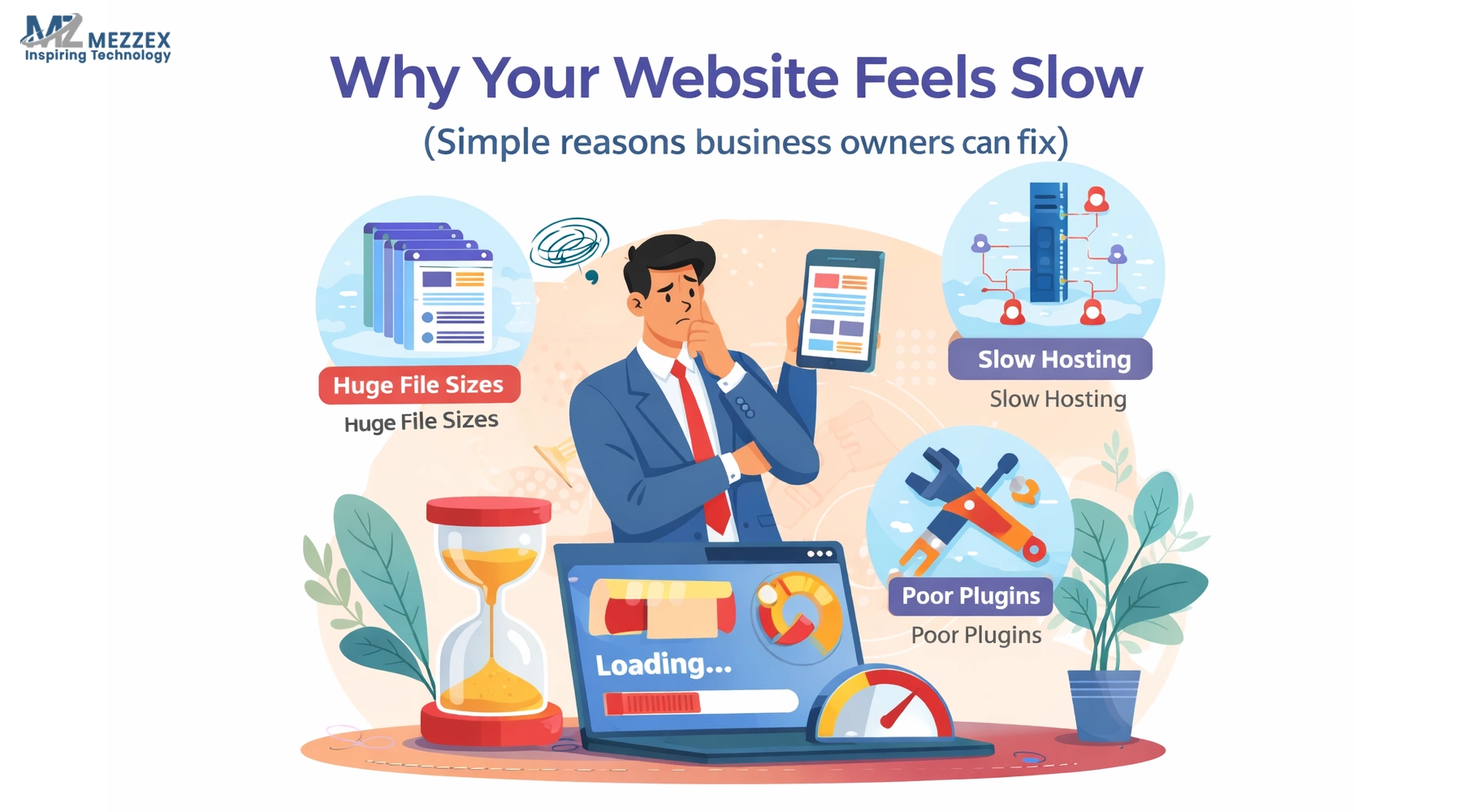
A slow page rarely has one single cause. Most delays come from several small issues that build up over time.
- Large images can delay homepage banners, product galleries, service graphics and blog visuals.
- Heavy scripts can hold back menus, pop-ups, tracking tags, sliders and interactive forms.
- Website themes may load extra features that the page never uses.
- Plugins and apps can add files to WordPress, Shopify and e-commerce websites, even when they seem minor.
- Weak hosting can delay the first response before the design appears.
- Fonts and icons can slow down text, buttons and navigation when they load poorly.
- Complex page sections, animations and oversized layouts can make a phone work harder than necessary.
- A proper speed review identifies the source of delay before design or development changes begin.
How Responsive Web Design Supports Faster Pages
Responsive web design needs more than a page that shrinks to fit a screen. It needs a layout that works cleanly on the device in someone’s hand.
- A mobile layout needs to show the most useful content first, not simply copy the desktop order.
- Clear menus help users move through services, products and contact pages without confusion.
- Tap-friendly buttons reduce errors and make forms, calls and checkout steps easier.
- Product filters, search bars and service menus need to respond without lag.
- A lean mobile layout removes clutter that slows the page and distracts the visitor.
- Responsive design also improves scanning, which matters when users compare options quickly.
- Mezzex connects responsive web design with UI design, ecommerce development and custom website builds.
- A fast page works best when the mobile journey feels clear from the first tap.
Why Image Optimisation Improves Mobile Speed
Images often carry the most weight on a page. Better image handling can improve speed while keeping the site visually strong.
- Oversized images force phone users to download files larger than their screen needs.
- Compressed images reduce file size while keeping enough clarity for brand and product presentation.
- Correct image dimensions stop a page from loading desktop-sized visuals on mobile.
- Modern formats can reduce weight when the website setup supports them.
- Lazy loading keeps lower-page images from loading before users reach them.
- E-commerce sites benefit because product grids, category pages and galleries often contain many visuals.
- Service websites also gain from lighter hero images, portfolio visuals, case studies and team photos.
- Image optimisation improves mobile website speed without stripping away the look of the brand.
How Cleaner Code Improves Website Performance
A site can look simple on the front end while carrying too much unused code behind it. Clean development keeps the page lighter.
- Unused HTML, CSS and JavaScript can slow a page even when visitors never see those elements.
- Bloated templates may load animations, sliders or extra features that add no value to the page.
- Reducing file size helps key text, buttons and forms appear sooner.
- Removing unused assets gives browsers less work to do on mobile devices.
- WordPress, Shopify and CMS websites need routine checks because plugins, apps and extensions build up.
- Frontend work needs discipline. Extra scripts and unused styles can make a clean-looking page feel slow on a phone.
- Backend work also affects performance when forms, products, accounts or dynamic content need data.
- Cleaner code makes the site easier to load, easier to maintain and easier for users to move through.
Why Hosting And Server Response Time Matter
A mobile page can feel slow before any design appears. Server response time controls how quickly the site starts sending data to the visitor’s phone.
- Weak hosting delays the first load, especially during busy traffic periods.
- E-commerce websites need stable hosting during offers, product launches and seasonal campaigns.
- Service websites need fast landing pages, contact pages and quote forms because leads often start there.
- Caching reduces repeated loading work and gives returning users a quicker visit.
- A content delivery network can improve delivery when audiences come from different regions.
- Database performance matters for websites with filters, accounts, product data or form submissions.
- PHP, .NET, CMS and e-commerce platforms perform better when hosting suits the build.
- Design, code and infrastructure need to work together. A strong layout still struggles on a weak setup.
How Mobile UX Keeps Users Moving
Speed gets people onto the page. Mobile UX guides them towards the next step without making them work for it.
- Clear navigation helps users find products, services, prices and contact details faster.
- Short forms reduce effort on smaller screens and support lead generation.
- Click-to-call buttons help service businesses turn mobile visits into direct conversations.
- Product filters need to respond smoothly so shoppers can narrow options without losing patience.
- Checkout steps need clear fields, fast responses and visible progress.
- Page copy needs short sections, useful headings and simple scanning.
- UI design shapes the route from first tap to enquiry, basket, booking or call.
- A fast page with a confusing layout can still lose users, so performance and usability need to work as one.
How Speed Testing Shows What To Fix First
Performance work needs evidence. Testing reveals where users face delay and which fixes deserve priority.
- Mobile speed tests can show large images, slow scripts, layout shifts and server delays.
- Core Web Vitals give useful signals around loading, responsiveness and visual stability.
- E-commerce sites need checks across the homepage, category pages, product pages, basket and checkout.
- Service websites need reviews across landing pages, contact pages, forms and quote pages.
- Testing after updates shows if changes improve the real user journey.
- High-traffic and high-value pages need attention first because they affect more leads and sales.
- A tool score helps, but real user experience matters more than a perfect number.
- Regular testing keeps website speed optimisation part of ongoing website maintenance.
How Mezzex Supports Faster Mobile Websites
Mezzex’s website design and development service covers new builds and existing website improvements. That makes performance part of the wider design, build and user journey plan.
- A mobile speed project can start with a review of page structure, images, scripts, hosting and user flow.
- WordPress websites may need plugin checks, theme clean-up, caching and image optimisation.
- Shopify and ecommerce websites often need product page, app, filter, basket and checkout reviews.
- CMS websites need clear content structures that load well and remain easy to update.
- Custom PHP and .NET development can support tailored performance work when standard themes limit progress.
- UI design improves mobile menus, buttons, forms and page sections that affect enquiry and sales.
- B2B portals and B2C websites need fast access to products, forms, account areas and service pages.
- Mezzex brings web design, development and technical skills together to create mobile websites that load better and feel easier to use.
Signs Your Mobile Website Needs Speed Work
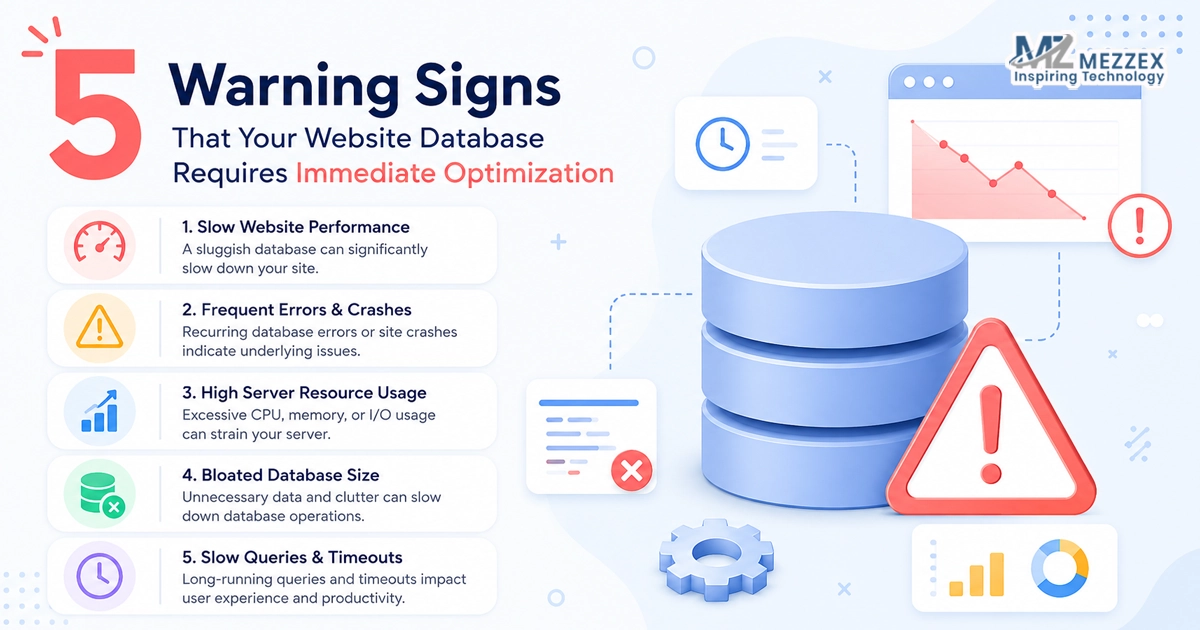
A site often shows warning signs before enquiries or sales drop sharply. These clues point to performance issues that need attention.
- Useful content takes several seconds to appear on mobile.
- Product images, banners or service sections load in pieces.
- Menus lag, stick or fail to open cleanly.
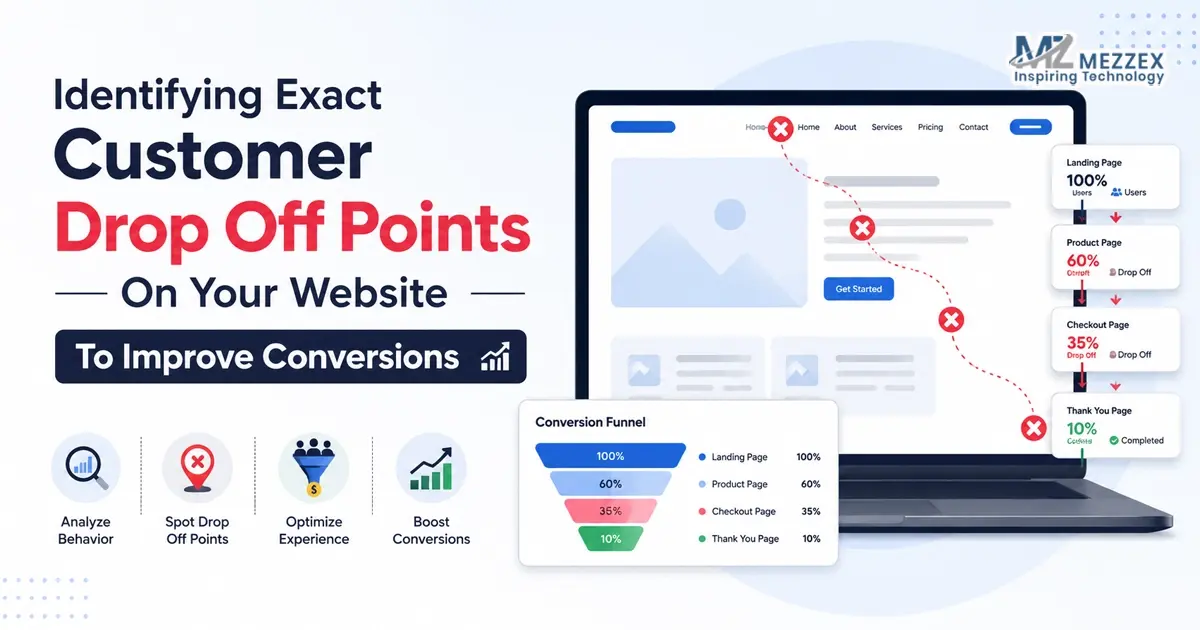
- Landing page users leave without clicking further.
- Forms feel slow, cramped or hard to complete on a phone.
- Basket or checkout pages create drop-offs before payment.
- Paid campaigns bring traffic, but enquiries or sales stay low.
- Customers mention that the site feels slow or hard to use.
- New plugins, apps, images or design sections make pages heavier over time.
Book Website Design And Development Support
Book a website design and development consultation with Mezzex to improve mobile speed, usability and sales journeys. The team supports responsive web design, ecommerce development, WordPress, Shopify, CMS websites, PHP, .NET, UI design and custom builds. Mezzex can review page structure, forms, product pages, baskets, checkout flow, hosting and technical performance to identify the areas holding visitors back. Call +44 121-6616357 or visit Spacebox Business Park, Unit E 38, Plume Street, Birmingham B6 7RT. Start with Mezzex’s website design and development service to plan a faster, clearer mobile experience for your business.