Website-Designing
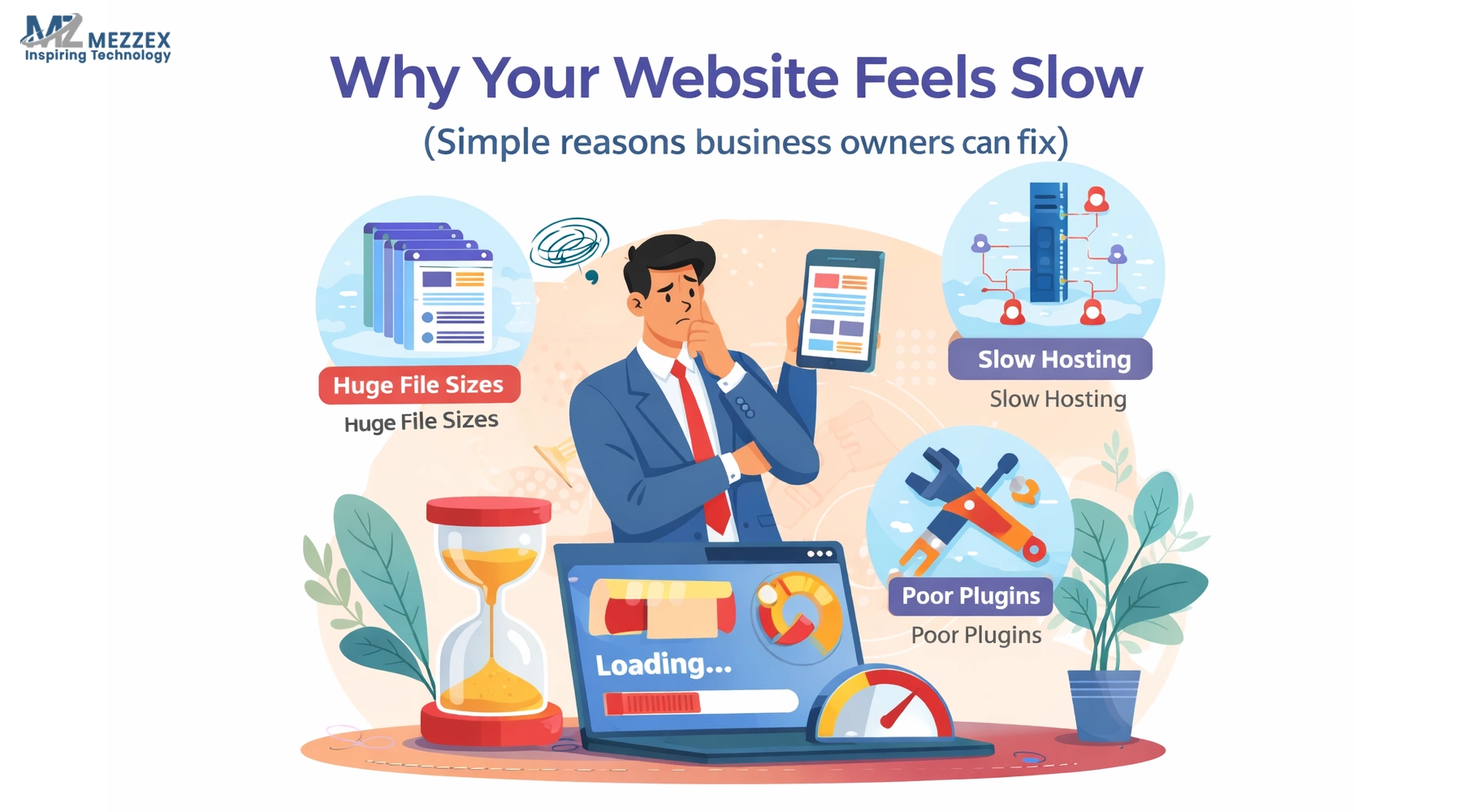
Why Your Website Feels Slow (Simple Reasons Business Owners Fix)
A slow website drives potential customers to your competitors and destroys your search engine visibility. Business owners often assume technical performance requires complex coding, yet simple adjustments yield immediate results without a total rebuild. When a page takes too long to appear, visitors perceive your brand as unreliable or outdated. We see high-growth firms struggle with loading times that stifle digital expansion and lead generation. Mezzex provides the engineering expertise to resolve these bottlenecks through purposeful design and backend optimisation. Our team identifies root causes to ensure your platform remains a high-speed asset for your business growth in Birmingham.
The Burden of Unoptimised Visual Assets
- Compress High-Resolution Media: Large photographs consume excessive bandwidth and delay the initial paint of your page. You need to use automated compression tools to reduce file size while maintaining visual clarity. Unoptimised images act as the primary cause of high bounce rates.
- Adopt WebP and AVIF Formats: Older JPEG and PNG files carry heavy metadata that slows down browser processing. Transitioning to modern file formats provides identical quality with a significantly smaller data footprint. This shift reduces the load on your server and speeds up mobile rendering.
- Scale Images for Mobile Devices: Delivering a desktop-sized 4K image to a smartphone screen wastes data and processing power. You need to implement responsive image sets that serve the correct dimensions based on the user's specific hardware. This ensures a fluid experience across all devices.
- Configure Lazy Loading Protocols: Standard websites try to download every image on a page at once, which creates a bottleneck. Lazy loading ensures images only load when they enter the user's viewport. This technique prioritises the content the visitor sees first, improving perceived speed.
- Strip Hidden EXIF Metadata: Professional camera files contain extensive data regarding GPS coordinates and lens settings. Using a script to strip this information saves valuable kilobytes on every image. These small savings accumulate to create a much leaner, faster-loading website.
Cumulative Plugin and Script Drag
- Audit Active Plugins Regularly: Every active extension on a platform like WordPress adds new lines of code that your server must execute. You need to deactivate and remove any tools that perform redundant functions or features your business no longer uses. Reducing "plugin bloat" is the fastest way to stabilise your backend.
- Eliminate Redundant Tracking Pixels: Marketing teams often leave old tracking scripts from inactive campaigns in the header of the site. These scripts call external servers and hang your website if the third-party server responds slowly. You need to consolidate your tracking through a single, optimised manager.
- Monitor External Font Requests: Calling multiple font weights from external libraries like Google Fonts creates a significant delay in text rendering. You need to limit your design to two essential fonts and host them locally on your server. This prevents the "flash of unstyled text" that confuses visitors.
- Consolidate Social Media Widgets: Direct feeds from social platforms require constant communication with external APIs. These requests slow down your page load and provide an exit point for your traffic. Use static icons with direct links to maintain speed while offering social connectivity.
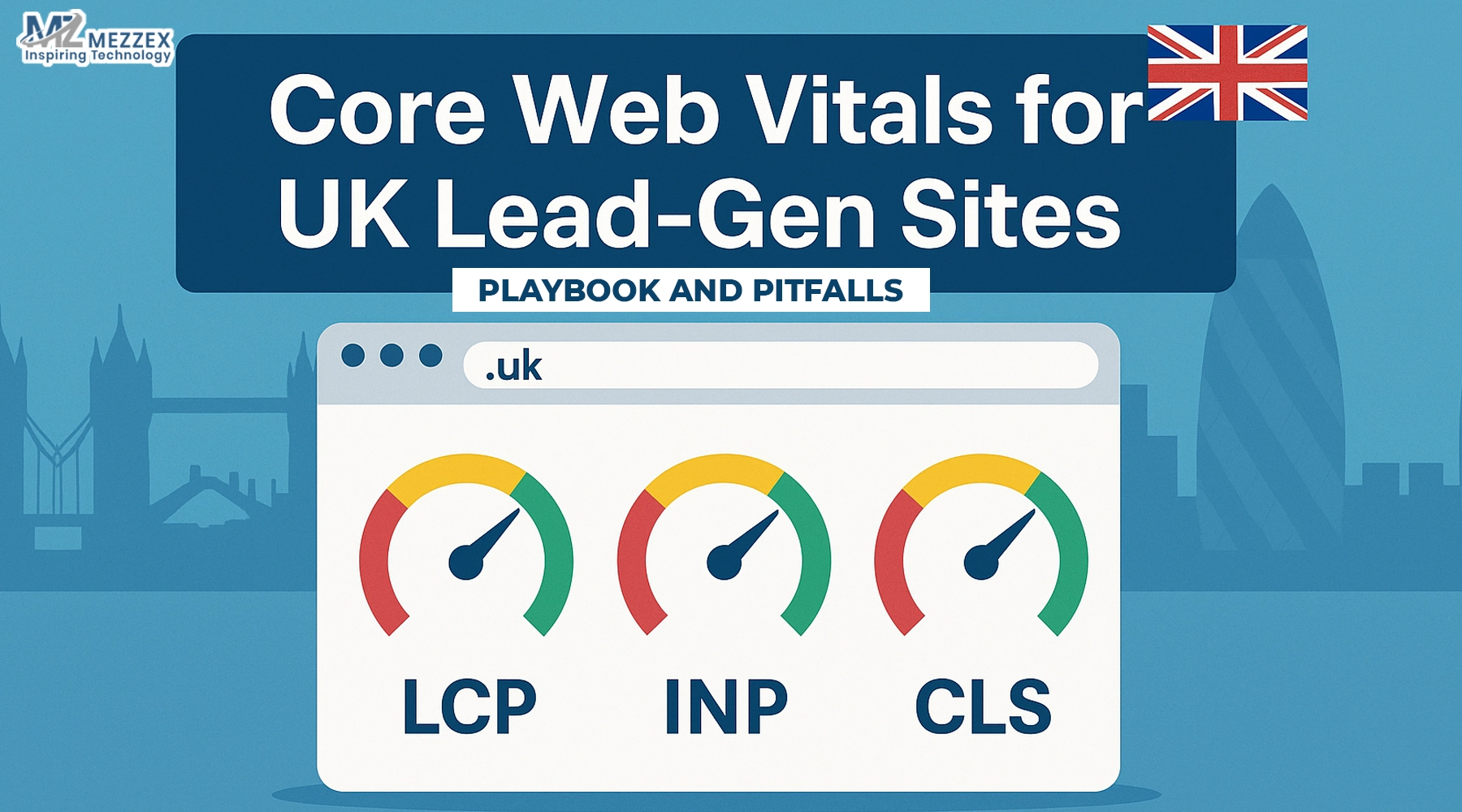
- Shift Non-Essential Scripts to the Footer: Some technical scripts insist on loading before the visitor sees any content. You need to move these to the bottom of your code so the visual parts of your site appear instantly. This technique improves your Largest Contentful Paint (LCP) score.
Infrastructure Weaknesses and Server Response Time
- Avoid Budget Shared Hosting: Shared environments force your website to compete for resources with thousands of other sites. This lead to unpredictable slowdowns and frequent downtime during traffic spikes. You need to invest in a hosting plan that offers dedicated CPU and RAM for your business.
- Prioritise UK-Based Data Centers: Physical distance between your server and your Birmingham audience creates latency. If your server sits in a US data center, every request must travel across the Atlantic, adding milliseconds to every interaction. Local hosting ensures near-instant data transfer for your primary customers.
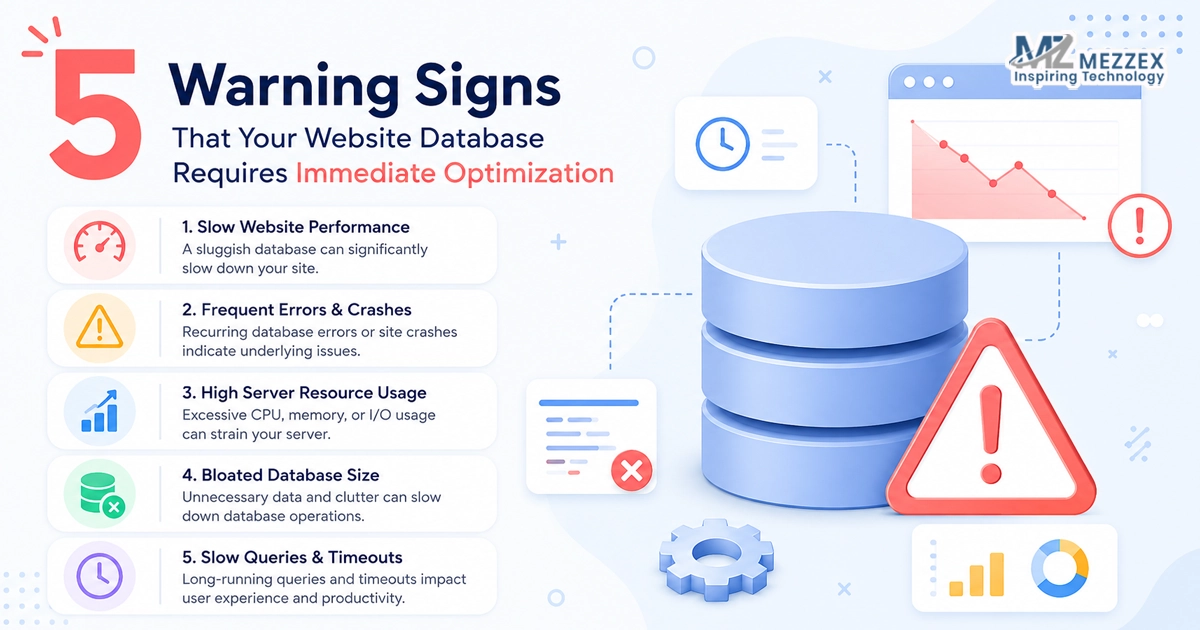
- Maintain Database Health: Over time, your database accumulates "overhead" from old post revisions and deleted comments. Regular optimisation runs ensure the server retrieves your product and page data efficiently. A clean database reduces the "Time to First Byte" (TTFB) and keeps your backend responsive.
- Monitor Server-Side Processing Power: A high TTFB confirms your server is struggling to generate the page before sending it to the browser. Upgrading to a modern NVMe storage-based server provides the read/write speeds necessary for dynamic ecommerce platforms. High-speed hardware is a requirement for modern SEO rankings.
- Scale Resources for Traffic Spikes: Your hosting environment needs the ability to scale up during sales or marketing pushes. Rigid hosting plans fail when demand increases, leading to "504 Gateway Timeout" errors. Choose a cloud-based solution that adapts to your traffic in real-time.
Render-Blocking and Code Redundancy
- Defer Render-Blocking Resources: Browsers stop loading the visual part of your site to process complex JavaScript or CSS files. You need to use "defer" or "async" attributes to tell the browser to keep rendering the page while the scripts load in the background. This ensures the visitor sees your message immediately.
- Simplify Site Architecture (DOM): A complex, nested structure makes it difficult for browsers to calculate your layout. Minimalist, purposeful design allows the browser to render your content with less effort. A shallow DOM tree leads to a more responsive feel when users scroll through your site.
- Remove Unused CSS Libraries: Developers often include massive styling frameworks even if the site only uses a small fraction of the code. We strip away this "dead weight" through a process called tree-shaking. This ensures the user only downloads the specific styles required for the current page.
- Implement Code Minification: Standard code contains spaces and comments that make it easy for humans to read but add to the file size. Minification removes this unnecessary data to create a compact file for the browser. This technical refinement helps your site load faster on restricted mobile data connections.
- Prioritise Critical CSS: You need to identify the minimum amount of styling required to show the "above the fold" content. Loading this critical CSS first makes the site appear finished within milliseconds. The remaining styles load quietly as the user begins to read your content.
Missing Caching and Compression Protocols
- Enable Advanced Browser Caching: Caching allows a visitor's computer to store recurring files like your logo and navigation bar locally. This means they do not download the same assets twice, making subsequent page views feel instantaneous. You need to set clear expiration dates for your cache to ensure users see updates.
- Implement Server-Side Static Caching: This technology creates a pre-rendered version of your dynamic pages. Instead of your server building the page for every new visitor, it delivers a static file immediately. This drastically reduces the load on your server and improves response times during busy periods.
- Deploy Gzip or Brotli Compression: These protocols act like a zip file for your entire website data. They shrink the files before they leave the server and expand them once they reach the visitor's browser. Compression cuts total transfer times by up to 70% without affecting the site's functionality.
- Utilise a Content Delivery Network (CDN): A CDN stores copies of your site in various locations across the globe. This ensures a user receives data from the server physically closest to them, minimising latency. For Birmingham brands, a CDN provides an extra layer of protection against localised traffic surges.
- Optimise Header Requests: Every image, script, and font requires a separate request to the server. Reducing the total number of requests by combining files or using image sprites decreases the communication time. Lowering the "request count" is a fundamental step in technical performance engineering.
The Engineering Advantage: Laravel and Next.js
- Eliminate Bloat with Purpose-Built Laravel: Generic platforms come packed with features your business will never use, which slows down every interaction. Laravel allows us to build a custom backend that contains only the logic your specific operations require. This "Purpose-Built" approach ensures your site remains lightning-fast as you add new features.
- Enable Near-Instant Loading with Next.js: Next.js utilises "Static Site Generation" to pre-render your pages before anyone even visits them. This results in a browsing experience where pages appear to load the moment a user clicks a link. It is the gold standard for high-performance ecommerce and enterprise websites.
- Adopt Headless CMS Architecture: By separating your content from the visual front-end, we eliminate the technical overhead of traditional systems. This allows your team to update content easily while the website remains a high-speed, independent engine. Headless systems offer superior security and future-proof scalability.
- Leverage Modern API Logic: Modern frameworks talk to each other through lean, efficient APIs rather than bulky database queries. This streamlined communication is essential for sites that integrate with third-party logistics or CRMs. Lean API logic keeps your user experience smooth regardless of backend complexity.
- Build with a Mobile-First Mindset: We prioritise the performance needs of mobile users during the initial development phase. By building a lean core first, we ensure that adding desktop features does not compromise the speed for smartphone visitors. This engineering philosophy puts your user's time at the center of the project.
Common Myths About Website Speed
- The Myth of "Good Enough" Speed: A site that loads in four seconds loses 25% of its visitors before the first image appearing. In the Birmingham market, speed is a primary competitive differentiator. You need to aim for a load time under two seconds to maintain a professional edge.
- The Myth That Speed is Only for Google: While SEO is a major driver, speed is actually about customer psychology and trust. A slow site creates a "friction" that makes users hesitant to enter their credit card details. Fast performance confirms your business is modern, efficient, and reliable.
- The Myth That Fast Internet Fixes Slow Sites: High-speed fiber connections cannot overcome a server that takes too long to process a request. Technical bottlenecks exist on your end, not the user's end. You need to optimise your infrastructure to respect every visitor, regardless of their connection speed.
- The Myth That "Mobile-Friendly" Means Fast: A site can look perfect on a phone but still take thirty seconds to load over a 4G connection. Mobile optimisation requires a focus on data weight and processing cycles, not just the layout of the buttons.
- The Myth That Speed is a One-Time Task: Digital performance degrades as you add new products, images, and marketing scripts. You need regular technical audits to ensure your site stays at peak performance. Think of speed optimisation as a recurring maintenance requirement for your most valuable digital asset.
Transform Your Website Performance with Mezzex
Stop letting slow loading times alienate your customers and stifle your Birmingham business revenue. You need to secure a high-performance digital presence that outpaces the competition and delivers measurable results. Mezzex provides the technical depth to transform your sluggish platform into a world-class engine for growth. A fast website leads to higher conversion rates, better search visibility, and a stronger brand reputation in the digital landscape. Contact our development team today to schedule your comprehensive website performance audit. We implement the purposeful refinements your business requires to scale.
Take command of your digital performance today. Contact the Mezzex engineering team to secure a comprehensive website audit:
- Phone: 0121 724 0303
- Email: [email protected]
Partner with Mezzex to build a purpose-driven, high-speed website that outpaces the competition and delivers measurable results for your business.