Digital-Marketing
How Our SEO Strategies Ensure Visibility During Major Algorithm Search Engine Updates
When Google rolls out a major update, the first sign often appears in a quiet dashboard: one page slips, a key query drops, a lead source slows. Panic does not fix that moment. A stronger SEO plan does. Mezzex builds SEO strategies around clear page purpose, clean technical foundations, useful content and steady performance tracking, so a website has more than rankings to rely on when search changes. This guide explains how those foundations protect visibility during major algorithm search engine updates.
Build SEO Around Stability, Not Shortcuts
- Stable SEO does not depend on one tactic: A website becomes fragile when it leans too much on one keyword, one blog, one backlink type or one high-performing page. A better strategy spreads strength across service pages, content, internal links and technical health.
- Search updates often expose weak foundations: Thin pages, poor structure, slow loading, weak relevance and outdated content can lose visibility when ranking systems change.
- Useful pages give search engines clearer reasons to keep ranking them: A page that answers a real query, supports user decisions and fits the business offer has a stronger base than a page built only for keywords.
- SEO needs a commercial purpose: Visibility matters most when it supports enquiries, leads, sales, calls or bookings. Mezzex connects SEO work to business goals, not ranking reports alone.
Set Visibility Goals Before Changing Pages
- Clear goals guide the whole SEO plan: A local service business may need more calls from nearby searchers. An ecommerce brand may need stronger category traffic. A B2B website may need better enquiry quality.
- Each page needs its own role: Service pages support conversions. Blog content answers questions. Location pages target local searches. Category pages guide buyers. The strategy changes by page type.
- A baseline makes update movement easier to read: Organic traffic, rankings, indexed pages, keyword groups and conversions create a starting point before search conditions change.
- Good measurement prevents guesswork: A sudden drop can feel serious, but data shows if the issue affects one page, one keyword group, one location or the whole website.
Match Keywords To Real Search Intent
- Keyword research starts with what users mean: A keyword only has value when the page answers the reason behind the search. Search volume alone does not show buyer intent.
- Different searches need different content: Someone searching for “SEO agency” wants a service provider. Someone searching for “why has my traffic dropped” needs explanation and guidance. One page cannot satisfy both properly.
- Keyword groups keep pages focused: Commercial terms, local searches, informational queries and comparison searches should not fight for space on the same page.
- Natural keyword use keeps the page readable: SEO strategies perform better when keywords fit the sentence. Forced repetition weakens trust and makes content feel written for a machine.
Strengthen On-Page SEO Signals
- Page titles need clear meaning: A title should tell users and search engines what the page offers. It should also give a reason to click.
- Meta descriptions support better search snippets: A useful meta description summarises the page value without stuffing in every keyword.
- Headings should guide the reader: H1s and H2s need a logical flow. Strong headings help users scan the page and help search engines understand the topic.
- Internal links support important pages: Related blogs, service pages and location pages should connect naturally. This helps users move through the site and helps search engines understand page relationships.
- Content structure improves engagement: Short sections, clear explanations and topic-focused copy help readers stay on the page longer.
Keep Technical SEO Clean
- Search engines need access first: Crawl issues, blocked pages and poor site structure can stop important pages from gaining visibility.
- Speed affects user behaviour: A slow website can lose visitors before the page gets a chance to convert. Technical SEO reviews speed because visibility and user experience work together.
- Mobile performance matters: Many searches happen on mobile devices. A page that loads badly or displays poorly can lose engagement.
- Sitemaps and robots.txt need clean instructions: Search engines need to know which pages matter and which areas do not need indexing.
- Technical problems blur update impact: Broken links, redirect chains, duplicate pages and indexation issues can make an algorithm shift harder to understand.
Create Content That Deserves To Stay Visible
- A page should answer the query properly: Search engines update to improve results for users. Content that gives a clear, useful answer has a stronger chance of holding visibility.
- Generic content creates little defence: Repeating what every competitor says rarely adds value. Stronger content uses clearer examples, better structure and sharper relevance.
- One page should keep one main focus: A blog that tries to cover too much can lose search intent. A focused page usually gives clearer signals.
- Content needs regular review: Old pages can lose strength when facts change, links break, examples age or user expectations move.
- Content creation should support the wider strategy: Blogs, service copy and landing pages should build topical relevance rather than sit as isolated posts.
Use Competitor Analysis Without Copying
- Ranking pages show the search landscape: Competitor analysis helps identify what search engines currently reward for a topic.
- The aim is better value, not imitation: Copying competitor headings or wording rarely creates a stronger page. Better SEO comes from answering the search need with more clarity.
- Gaps reveal content opportunities: A competitor may miss useful detail, local context, service explanation, internal links or helpful examples.
- Technical strength also matters: A competitor may rank because the site loads faster, links more clearly or has stronger page depth. SEO analysis needs to review more than copy.
Protect Local Search Visibility
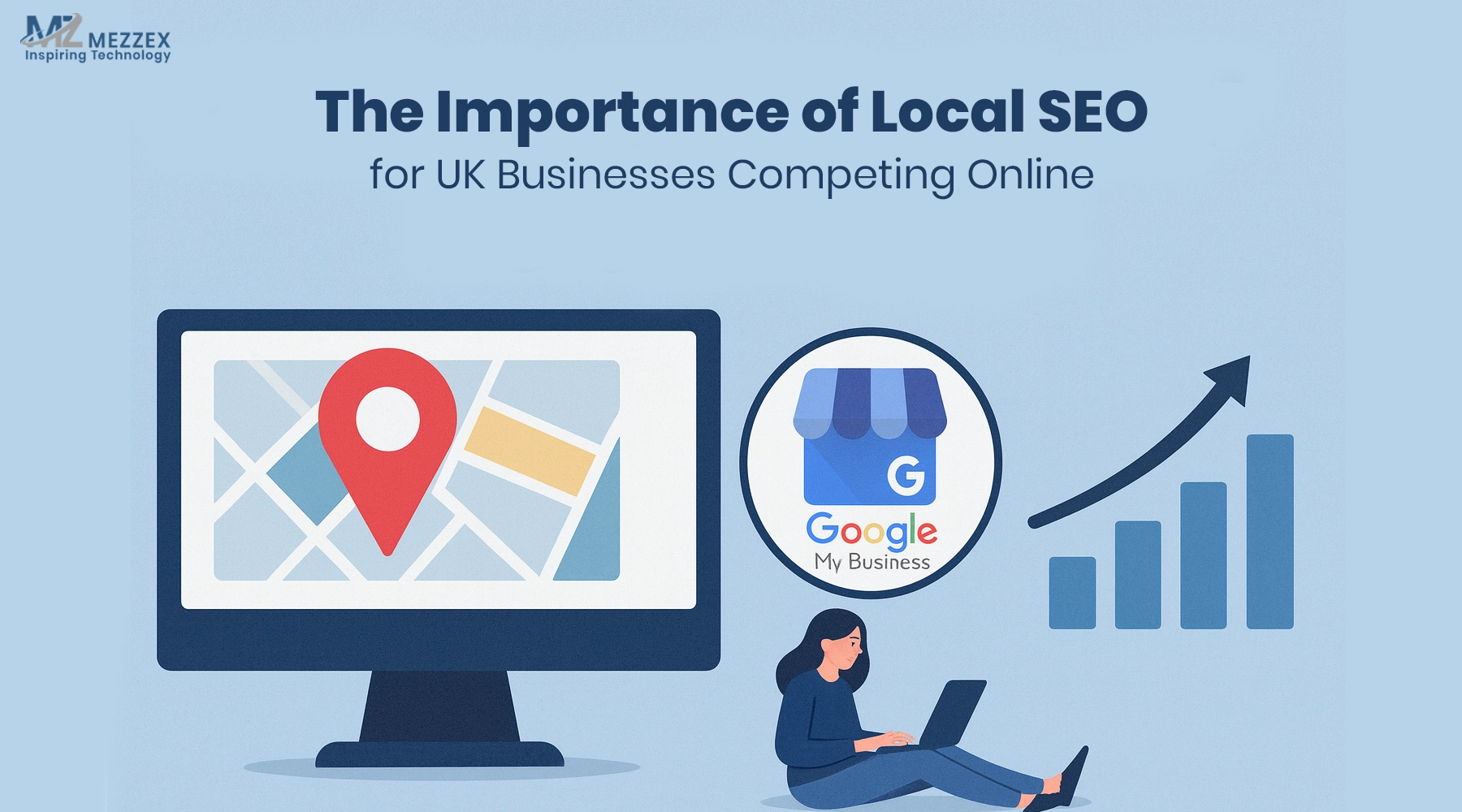
- Local SEO needs strong location signals: Businesses that serve specific areas need pages and profiles that make location relevance easy to understand.
- Google Business Profile supports local trust: Categories, services, photos, reviews and business details need regular attention.
- Consistent business details reduce confusion: Name, address and phone information should match across important platforms.
- Local content needs real value: A location page should do more than add a place name. It should explain the service, the area served and the reason users should make contact.
Read Algorithm Updates With Data
- Early movement can mislead: Rankings can move during a rollout, then settle. Quick reactions can create unnecessary changes.
- Date comparison needs care: Traffic before, during and after an update helps separate seasonal movement from search update impact.
- Page-level analysis gives better answers: A full website rarely moves in one way. Some pages may drop, some may stay steady and others may gain.
- Query data shows what changed: Search Console can show which terms lose impressions, which gain clicks and which pages need attention.
- Conversions complete the picture: A ranking drop matters more when leads, calls, sales or enquiries fall with it.
Avoid Panic Fixes After Updates
- Do not delete useful pages too quickly: A page may need clearer intent, stronger structure or better internal links rather than removal.
- Do not rewrite the whole website at once: Large uncontrolled changes make results harder to measure.
- Do not add keywords as a quick fix: More repetition does not solve weak relevance. A falling page usually needs better value and clearer purpose.
- Do not follow rumours blindly: Update periods create noise. A practical response starts with website data, search performance and page quality.
Refine SEO Strategy After Each Major Update
- Affected pages need close review: Service pages, blogs, categories and local pages can respond differently to the same update.
- Search intent may shift: Search engines may start favouring more detailed, practical or focused pages. The content plan should respond to that movement.
- Internal links may need support: Important pages often need stronger routes from related blogs, services and location content.
- Technical fixes remain part of the review: Crawl issues, speed problems, mobile concerns and indexation gaps can become more visible during update periods.
- The next plan becomes stronger: Each update gives useful signals about what the website needs next.
Visibility Comes From SEO Discipline
- Major algorithm search engine updates test the whole website: Page purpose, content quality, technical health, internal linking, user experience and relevance all matter.
- Strong SEO strategies reduce avoidable risk: A clear structure, useful content and clean technical setup give the website a stronger base.
- Analytics guide the response: Data helps separate real problems from temporary ranking movement.
- Ongoing refinement keeps SEO current: Search systems change, competitors improve and user behaviour moves. SEO needs regular attention, not one-time setup.
Book Our SEO Services With Mezzex
Book our SEO services with Mezzex to strengthen your website before, during and after major algorithm search engine updates. Our team supports on-page SEO, technical SEO, local SEO, keyword research, competitor analysis, content creation, analytics and strategy refinement. We review search visibility, find weak pages, improve crawl access, sharpen page structure and track the traffic that matters to enquiries, sales and brand growth. Request a free SEO audit or speak to Mezzex about a focused SEO plan that helps your website stay clearer, stronger and more visible when search conditions change across the UK market this year online.