Digital-Marketing
Data‑Driven Digital Marketing: Turning Analytics Into Growth
CAC climbs while leads stall; dashboards point in different directions. Data‑driven digital marketing starts with clean tracking, not louder spend. When events and conversions mirror the funnel, attribution shows what wins, and tests turn guesses into lift. This guide sets a simple loop: instrument analytics, use attribution to move budget, test one change at a time, and scale what proves out across SEO, PPC, social, content, email, and eCommerce. The goal is clear: find signal fast, fund it, and cut waste. Mezzex builds this loop, reports weekly actions, and logs every change so growth compounds as teams learn together.
Instrument analytics that reflect revenue
- Define outcomes: qualified leads, booked demos, orders; map each as a conversion event.
- Implement GA4 events: view_item, add_to_cart, begin_checkout, purchase; QA weekly with test runs.
- Track micro‑conversions: scroll 50%, video 50%, form_start, click_to_call; name them consistently.
- Standardise UTMs (source, medium, campaign, content); reject untagged links.
- Build a 30/60/90‑day baseline before changing budgets; annotate any tracking edits.
Use attribution to move the budget
- Select a primary model (data‑driven, where available) and a secondary (first‑touch) for context.
- Compare assisted conversions vs last‑click; flag under‑credited campaigns for testing.
- Apply a budget rule: shift 15% to any segment beating target CPA/ROAS for 2 weeks.
- Set lookback windows by journey (7/30/90 days); review and adjust quarterly.
- Annotate launches and outages; tie budget shifts to dated notes and owners.
Turn intent data into SEO lifts
- Map keywords to intent (informational, commercial, transactional); align templates by intent.
- Optimise titles, H1s, internal links; track CTR, engagement rate, and conversions per page.
- Ship topic clusters with hub pages; measure impressions → clicks → assisted revenue.
- Improve Core Web Vitals; re‑crawl and log ranking deltas at 14 and 28 days.
- Build links to pages that already convert; monitor assisted conversions after link wins.
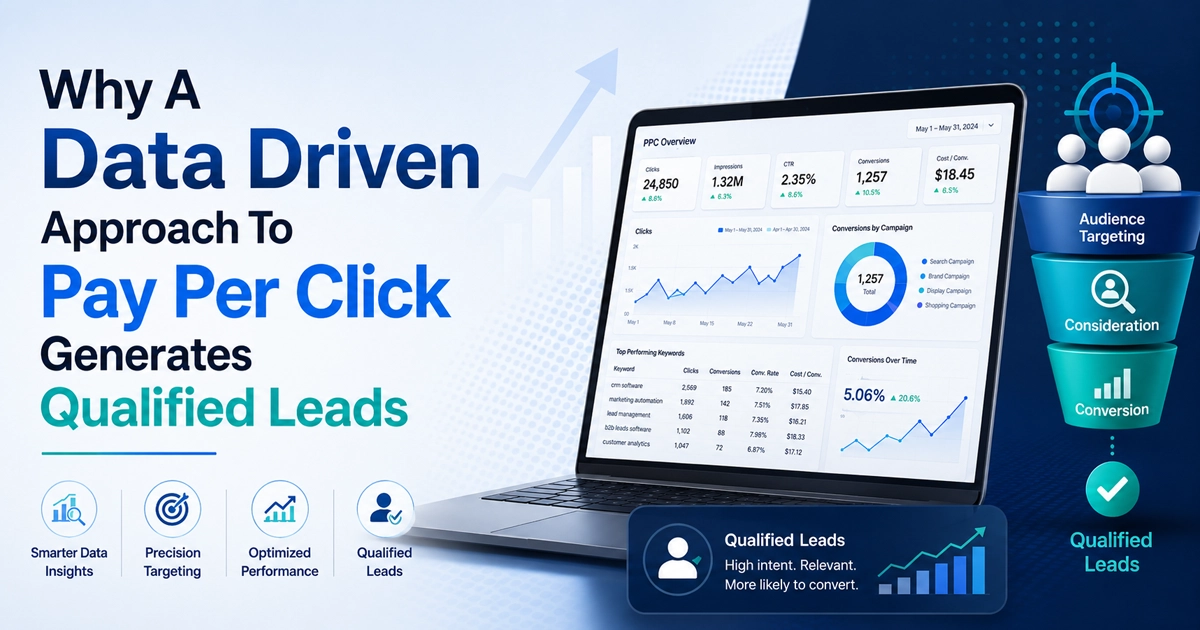
Scale PPC with value‑based bidding
- Segment by intent: brand, non‑brand, competitor, shopping, remarketing; isolate budgets.
- Import clean conversion values; use tROAS/tCPA; verify conversion lag before judging.
- Test 3–5 headlines and 2 descriptions; rotate weekly on incremental lift, not CTR alone.
- Expand negatives and placement exclusions; audit weekly to remove waste.
- Confirm lift with a geo/audience holdout before scaling >20% of spend.
Make social creative decisions with metrics
- Assign roles: awareness (TikTok/IG), consideration (FB), conversion (retargeting).
- Test hook → proof → offer → CTA; promote weekly winners into paid sets.
- Track profile actions, UGC volume, and assisted conversions; refresh audiences monthly.
- Build remarketing from video views (25%/50%/95%) and site events; cap frequency.
- Tie spend to add‑to‑cart and checkout assist; do not optimise for reach alone.
Turn content into a pipeline
- Match questions to formats: blog, comparison, FAQ, case study; add schema markup.
- Use briefs with target intent, H2/H3s, FAQs, and internal links; track time‑to‑publish.
- Add nudges: calculators, samples, audits, live chat; A/B test placement and copy.
- Measure revenue per 1,000 visits by content type; fund top quartile assets.
- Refresh top URLs quarterly (stats, screenshots, CTAs) and annotate updates.
Lift LTV with email and CRM
- Segment by lifecycle: new, active, at‑risk, lapsed; set unique offers and cadences.
- Build flows first: welcome, post‑purchase, win‑back, browse/cart abandonment.
- Test subject lines and send windows; monitor open rate lift and revenue per send.
- Sync CRM events to ads for suppression and lookalikes; protect user preferences.
- Attribute email to assisted conversions to defend spend in budget reviews.
Fix eCommerce funnels by step
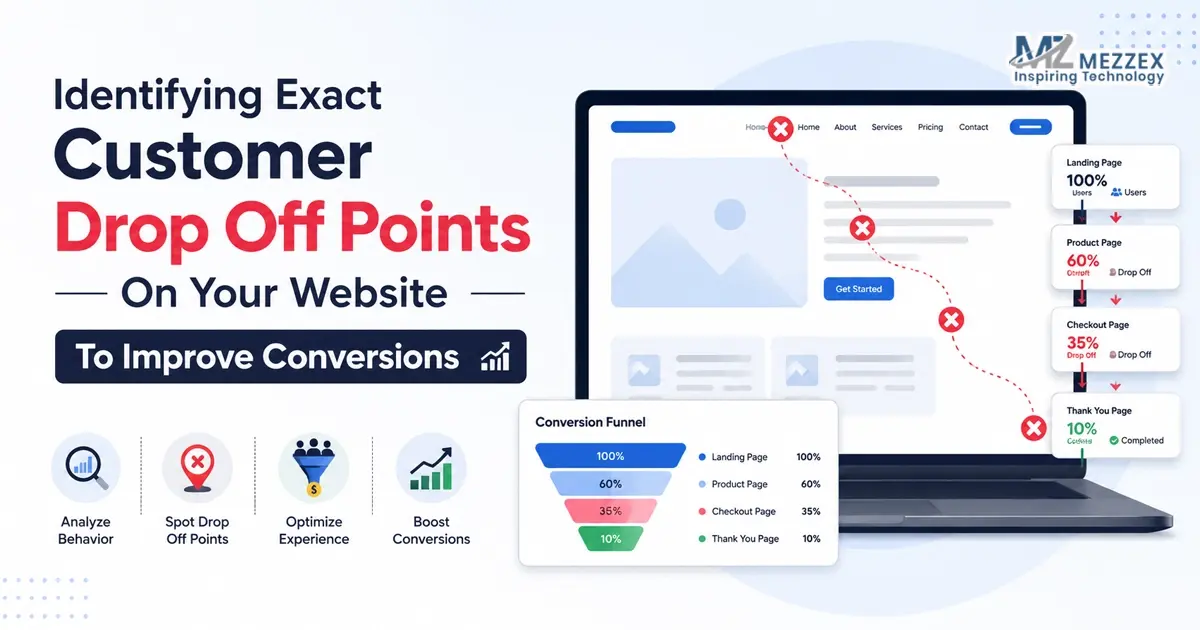
- Track product → add → checkout → payment; fix the largest drop first.
- Test price badges, stock cues, free returns; ship only wins with clear lift.
- Optimise search and filters; reduce zero‑result queries with synonyms.
- Use RFM scoring to target VIPs; monitor repeat purchase rate monthly.
- Run bundle tests on top SKUs; validate with holdouts and annotate findings.
Test with discipline, not guesses
- Define hypothesis, primary metric, sample size, duration, and win rule before launch.
- Change one major variable per test; avoid overlaps in the same step of the funnel.
- Use sequential or Bayesian methods to reduce peeking error; respect stop rules.
- Log hypotheses, screenshots, outcomes, and decisions; build a “what works” library.
- Roll out winners, schedule retests after seasonality shifts, and monitor for decay.
Report actions, not dashboards
- Build a one‑page dashboard per role (leadership, marketing, sales, product).
- Surface trends and deltas; annotate releases, outages, and campaign changes.
- Send a weekly memo with three items: start, stop, continue—each with an owner and date.
- Maintain a QA checklist: tracking health, spend pacing, anomalies, and alert status.
- Archive monthly readouts with decisions; link to change logs for traceability.
Govern data to keep signals clean
- Restrict edit permissions; enforce naming conventions for tags, events, and UTMs.
- Version‑control measurement changes: document date, owner, and rationale.
- Filter internal traffic and spam; validate with server logs where possible.
- Back up dashboards, feeds, and scripts; enable anomaly alerts on >20% conversion drops.
- Respect consent modes; exclude non‑consented users from activation audiences.
Case loop: from insight to scale
- Pick a high‑traffic, low‑conversion page; test headline, form friction, and proof.
- Shift 15% budget to the best PPC segment for 2 weeks; record CAC and ROAS.
- Feed winning creative into social and email; track multi‑touch impact by model.
- If CAC falls and LTV holds, scale spend by 20% and re‑measure after lag.
- If the lift stalls, roll back, retest a new variable, and log the decision.
Call Us For Data‑Driven Digital Marketing Solutions
Data‑driven growth starts with clean tracking and accountable decisions. Mezzex sets up analytics, attribution, and testing, then aligns SEO, PPC, social, content, email, and eCommerce to shared metrics. Choose a starting sprint, tracking and attribution, funnel fixes, or paid search scale and expect weekly summaries with three actions, transparent change logs, and clear owners. Compare service options on the Digital Marketing page, then book a quick scoping call. For guidance on scope, timelines, or pricing, call +44 121‑661‑6357 or use the contact form. Start with a 30‑day baseline, prove one lift in the next 30 days, and scale what works.