Ecommerce-services
When to outsource 3PL: order volume and SKU complexity signals
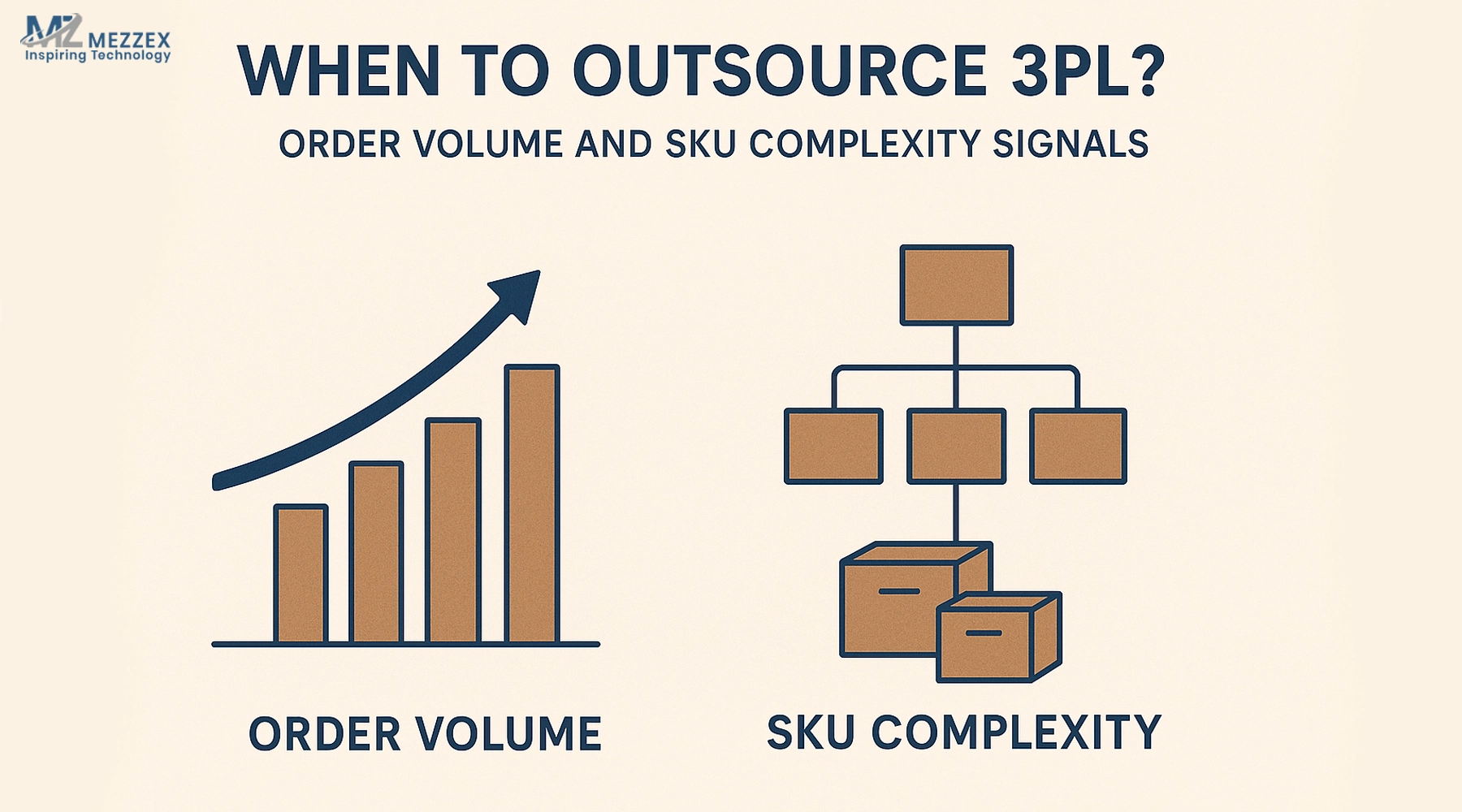
Operational strain shows when orders queue, cut‑offs slip, and mis‑picks rise. A clear decision to outsource 3PL starts with two signals: order volume and SKU complexity. Track daily orders, peak spikes, and the effort to hold SLAs. Map variants, bundles, kitting, and fragile handling to see where WMS and SOPs stretch. Check stock sync across channels and the real cost of rework. This guide shows when volume and complexity cross the line for in‑house teams and how to run a tight pilot with clear targets. The aim is simple: stable fulfilment, steady SLAs, and time back for growth work.
Volume signals that trigger 3PL conversations
- Daily thresholds: sustained 100–300 orders per day for two or more weeks, or promo spikes that double volume and miss cut‑offs.
- Queue growth: pick waves back up after lunch; totes stack at packing; dispatch misses carrier last scans.
- Overtime reliance: frequent weekend shifts and temp hires to maintain SLAs during campaigns.
- Late cut‑offs: same‑day dispatch slips by 30–60 minutes on busy days; WISMO contacts rise next morning.
- Carrier congestion: cages roll to next day; you add emergency collections to catch up.
- Returns backlog: inbound returns sit more than 48 hours, delaying refunds and exchanges.
SKU complexity signals
- Variant explosion: sizes/colours push bin locations beyond racking logic; mis‑picks rise on like‑SKU shelves.
- Bundles and kitting: rules per pack (e.g., 2‑4‑1, seasonal kits) increase touches and QC steps.
- Fragile, regulated, or hazmat: packaging, insert, or labelling SOPs exceed current QA bandwidth.
- Weight/size mix: heavy and long items break pick paths and slow cycle counts.
- Subscription builds: monthly swaps need stable BOMs, FEFO, and pause/skip orchestration.
- Data gaps: missing barcodes, dims, or handling notes block WMS tasks and ASN compliance.
Multi‑channel and marketplace pressures
- Mixed SLAs: D2C plus Amazon/eBay need different labels, ASNs, and on‑time metrics.
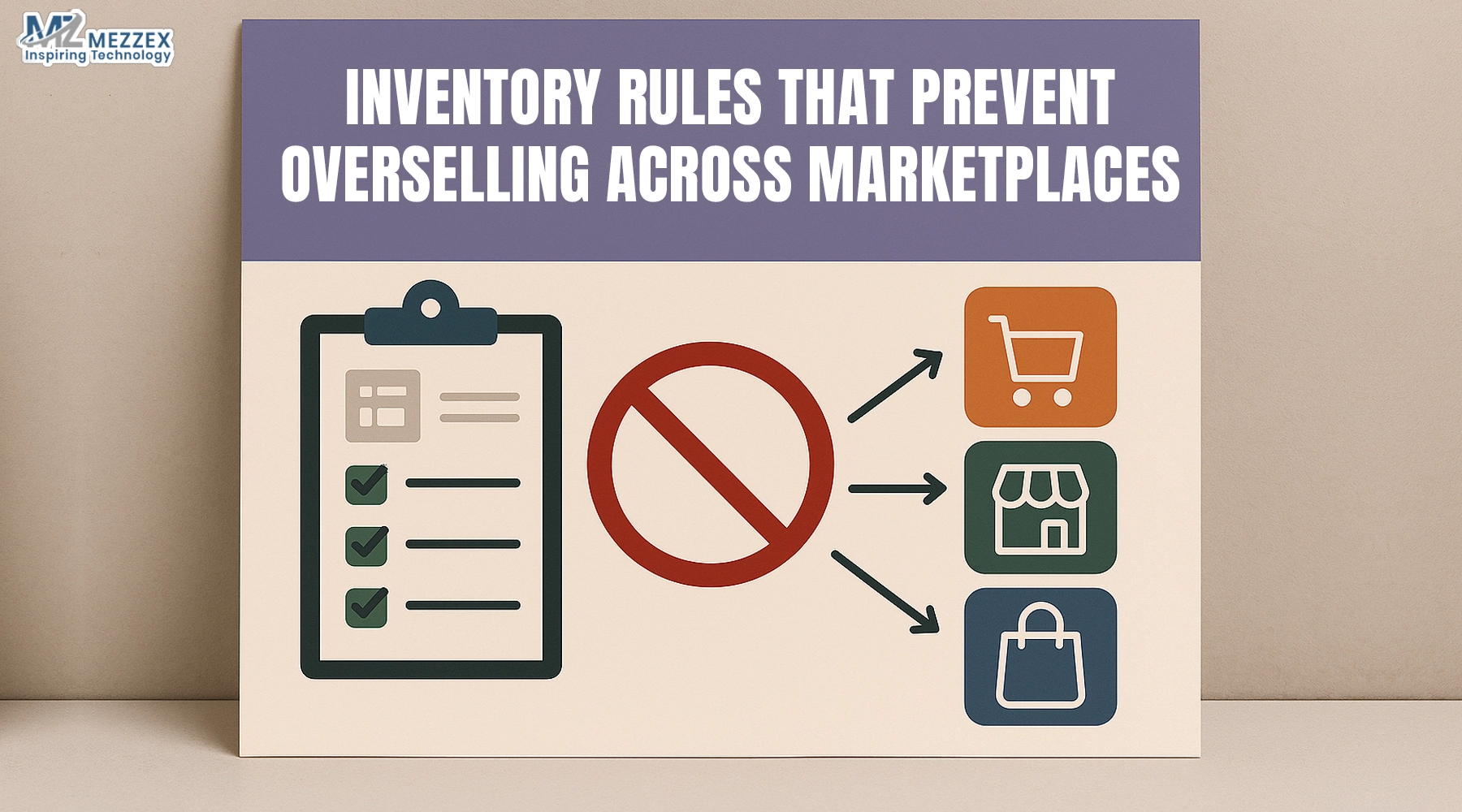
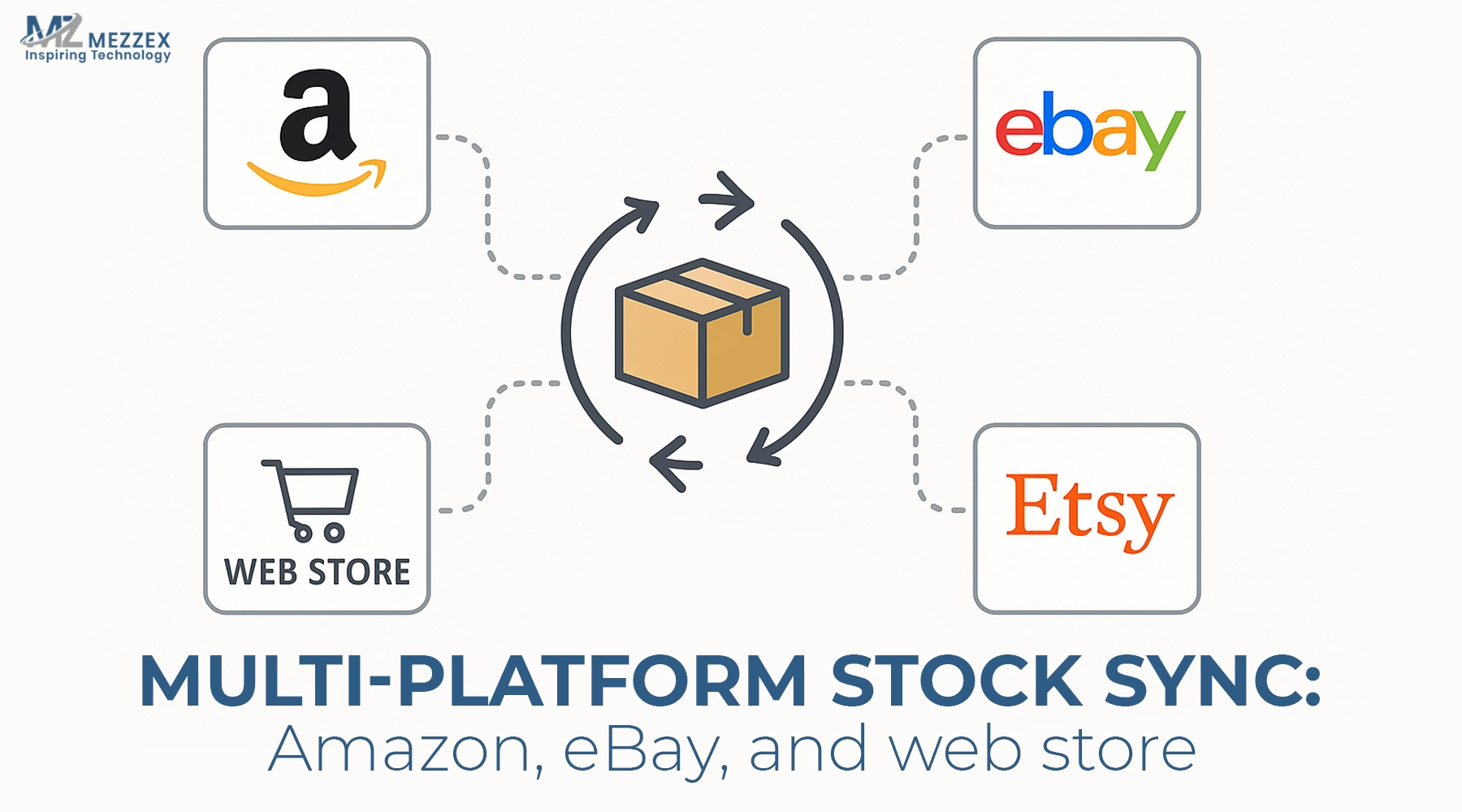
- Stock sync drift: channel inventory falls out of step; oversells trigger cancels and negative metrics.
- Buy box threats: late shipment rate, ODR, or item not as described nudge account health.
- Prep and FBA: inbound to FBA requires prep (poly‑bagging, labels) that adds rework in‑house.
- International nodes: new regions need tax docs, carrier options, and cut‑offs you cannot meet alone.
- Promo cadence: overlapping offers across channels produce conflicting pick priorities.
Cost and capacity breakpoints
- Floor math: pallets and CBM outgrow safe aisle widths; travel time per pick expands.
- Hidden costs: chargebacks, relabels, and carrier surcharges erode contribution margin.
- Rework drag: mis‑picks, damages, and re‑ships multiply handling cost per order.
- Capex vs opex: racking, scanners, WMS, and extra staff vs 3PL variable pricing and SLAs.
- Seasonal dead space: peak demands temporary space; you pay all year if you expand in‑house.
- Opportunity cost: ops firefighting blocks work on CRO, new products, and pricing tests.
SLA and customer experience risks
- Late dispatch: missed same‑day cut‑offs reduce repeat purchase rates.
- Packaging quality: damage/DOA rates rise; UGC shows crushed or open boxes.
- Returns speed: refunds take longer than 48 hours, which increases tickets and churn.
- Geographic speed: next‑day zones shrink without multi‑site nodes or late carrier cut‑offs.
- Slot reliability: bank holidays and peak weeks produce promise‑date misses.
- Exceptions handling: address fixes, split shipments, or signature services drop through gaps.
Readiness checklist for a 3PL pilot
- SKU data: clean masters with barcodes, weights/dims, HS codes if needed, and handling notes.
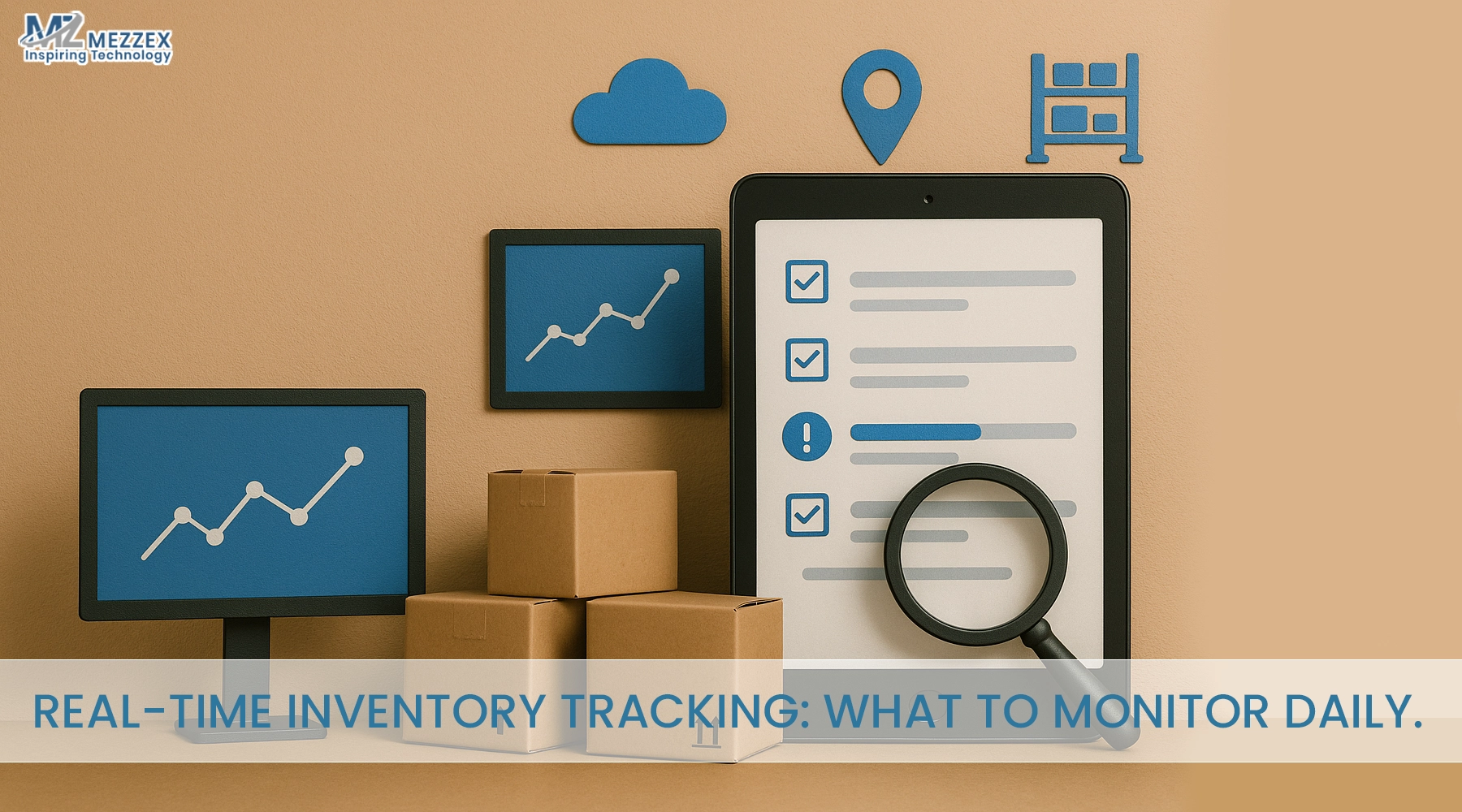
- Inventory health: cycle counts up to date; reserve stock set aside for day‑one.
- Process docs: pick path, kitting rules, returns grading, refurbishment steps, and QC checks.
- Tech stack: order/stock sync, channel integrations, ASN formats, and label specs.
- Packaging: approved materials list, inserts, and branding guidelines for standard SKUs.
- Metrics: baseline CPP, on‑time dispatch, damage rate, WISMO per 1,000 orders, and return cycle time.
Selecting a 3PL: what to verify
- WMS features: real‑time inventory, FEFO/batch, kitting, serials or lots, and ASN support.
- Value‑add: labelling, custom packaging, FBA prep, and light assembly.
- Peak plan: tested playbooks for Black Friday/Cyber Monday and seasonal launches.
- Carrier matrix: next‑day, tracked, international, and large‑format options with late cut‑offs.
- SLAs and KPIs: receiving, pick/pack, dispatch, returns processing; dashboards with alerts.
- Costs: receiving, storage by CBM/pallet, picks per order, packaging, returns, and surcharges.
Pilot and ramp plan (first 60–90 days)
- Start small: top 20% SKUs by volume to stabilise SLAs fast; freeze scope for the pilot.
- Dual‑run: keep regulated or fragile lines in‑house until the 3PL hits targets.
- Data deep clean: fix barcodes, dims, and handling notes weekly during the pilot.
- Weekly reviews: track CPP, on‑time dispatch, damage, and WISMO; log root causes and fixes.
- Roll‑out: add SKUs by family, then add channels or regions; keep change control tight.
- Handover: retire duplicate SOPs; update channel buffers and safety stock once the 3PL is steady.
Measure impact and decide
- Cost per parcel: compare pilot CPP vs historical CPP with rework included.
- Service: on‑time dispatch %, carrier first scan %, and refund time on returns.
- Quality: damage/mis‑pick rate and UGC trend on packaging.
- Inventory: stock accuracy and oversell/cancel rate across channels.
- Support: WISMO contacts per 1,000 orders and first‑response/resolve times.
- Capacity: ability to add nodes, new channels, or oversized lines without new capex.
Common pitfalls and how to avoid them
- Dirty data: missing barcodes and dims sink pilots; lock a pre‑flight data list.
- Scope creep: new SKUs mid‑pilot hide results; hold scope until week six.
- Hidden fees: quote clarity prevents surprises on long dwell, relabels, and surcharges.
- Returns black box: define grading, refurbishment, and disposition with photos.
- Packaging drift: approve a materials list; audit weekly with photo samples.
- Weak change control: channel buffers and lead times must be updated with the new node.
Signals you made the right move
- Fewer WISMO contacts and a lower CPP while on‑time dispatch rises.
- Stock accuracy above 99% across channels; fewer oversells and cancells.
- Faster refunds and lower damage rate; packaging UGC improves.
- Team time shifts from firefighting to growth work: new product research, pricing, and CRO.
- Peak readiness improves; promo calendars no longer spike miss rates.
- You add channels or regions without new facilities or overnight staffing.
Get In Touch
Ready to score your 3PL readiness and run a focused pilot? Share your order volume, SKU mix, kitting rules, packaging, and channel SLAs, and a short call will turn them into a 60–90 day test with clear targets. Email [email protected] or call +44 121-6616357 to book a slot, or use the contact form to request a call‑back. Bring current metrics—cost per parcel, on‑time dispatch, damage, stock accuracy, and WISMO—and leave with a weekly review template and timeline. One team helps connect the catalogue, inventory, and fulfilment so you ship on time, even in peak.