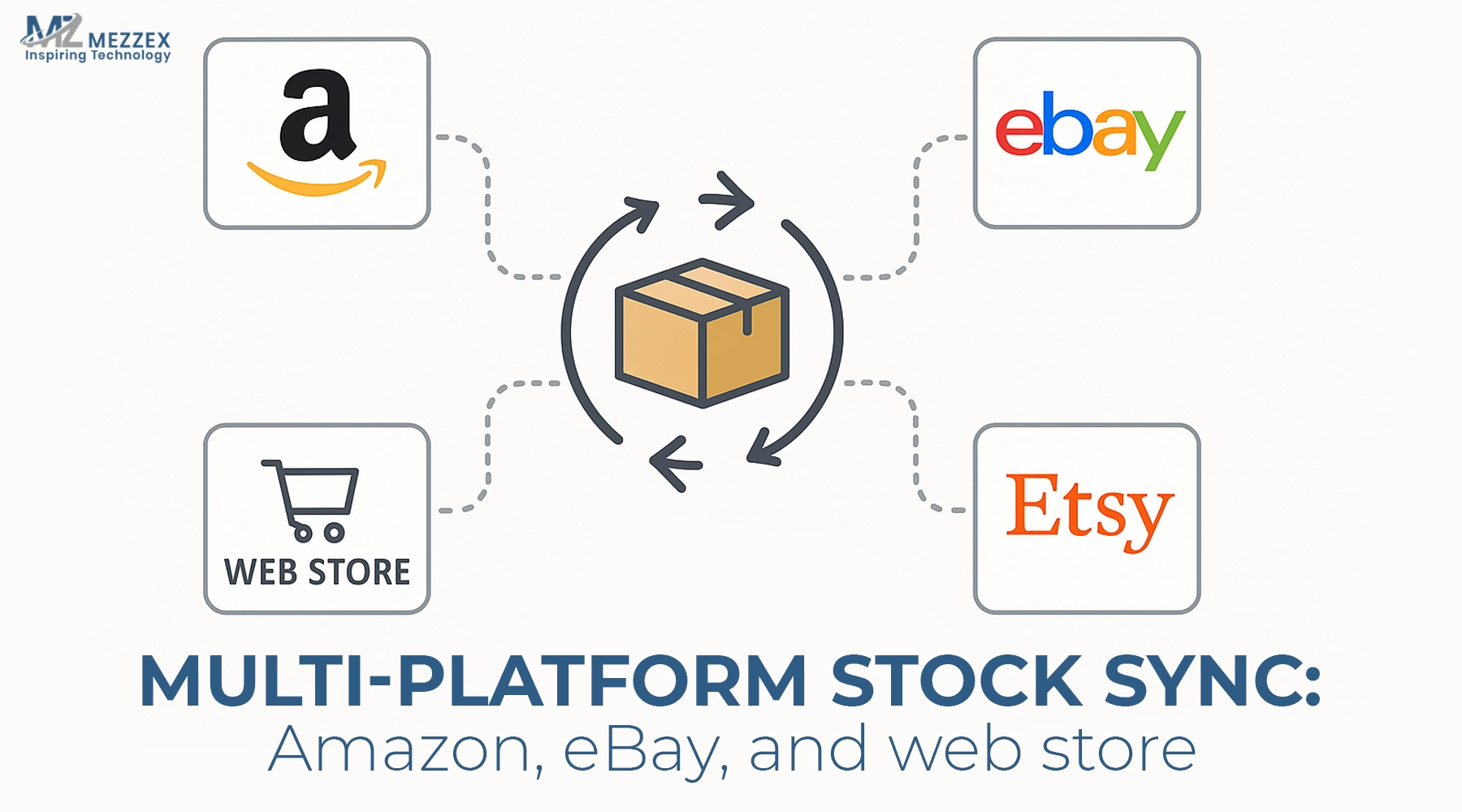
Real‑time inventory tracking keeps orders accurate, cash flowing, and teams aligned. Each day, view stock by SKU and location, watch velocity and days on hand, and confirm reorder points against live lead times. Track orders, returns, and transfers the moment they occur so counts match your ecommerce store and marketplaces. Validate syncs between your WMS, ecommerce platform, and POS to prevent overselling and split shipments. Flag slow movers and ageing lots early, then adjust purchasing, pricing, or promotion plans. Open a short, reliable dashboard each morning and before your cut‑off. This guide lists daily checks that keep inventory visible and decisions fast.
Daily stock position: on‑hand, available, committed
- On‑hand by SKU and location: confirm physical, quarantined, and in‑transit; compare variance to yesterday.
- Available to sell: on‑hand minus picks, holds, and backorders; push updates to every channel.
- Allocations and holds: clear stale reservations; return units to sellable stock.
- Transfers and inbound: verify expected arrivals and putaway status; chase late ASNs.
- Safety stock breaches: alert when ATS drops below the buffer; review before campaigns.
- Aged inventory flags: tag SKUs past target days for markdowns, bundles, or liquidation.
Velocity and coverage: usage, DOH, reorder points
- Daily usage rate: view 7‑day and 30‑day averages to smooth spikes.
- Days on hand: units ÷ daily usage; check against service targets by category.
- Reorder point: daily usage × live lead time + safety stock; update when suppliers slip.
- Turnover trend: identify fast/slow movers; adjust buys and space.
- DSI direction: rising DSI signals cash lock‑up; act on ageing lists.
- Channel split: rebalance stock between DTC and marketplaces to cut splits.
Order flow and exceptions: sell, return, adjust
- New orders by hour: align waves with staffing and carrier cut‑offs.
- Backorders and stockouts: publish ETAs or hide SKUs to avoid basket churn.
- Returns and reasons: restockable vs damaged; quarantine counts drive write‑offs and claims.
- Cancellations and edits: release units to ATS; recompute kits and bundles.
- Cycle counts and adjustments: reconcile variances; record root cause and fix process.
- PO and ASN slippage: re‑plan ROP and notify support and merchandising.
Sync health across systems
- Channel latency: confirm inventory pushes run within minutes; rerun failed jobs fast.
- API error queues: triage high‑value SKUs first; bulk‑replay where possible.
- Bundle logic: recompute components after returns and swaps to prevent negative stock.
- Location routing: prefer closest node; reduce split shipments and cost.
- Audit trail: check the last 24 hours of quantity changes by user and scanner event.
- Launch hygiene: stop test SKUs from leaking to live counts during releases.
Placement and routing
- Regional DOH: move stock to nodes with faster sell‑through or low buffer.
- Cut‑off performance: confirm same‑day ship rate by node; tweak routing rules.
- Carrier capacity: reroute when caps or weather hit; protect SLA items.
- Transfers: fast‑track top SKUs; set ETAs and update ATS on schedule.
- Pre‑order staging: allocate launch units by channel; hold launch safety stock.
- Location accuracy: spot‑check high‑velocity bins; fix labels and slotting.
Profit and cash signals
- Aged stock value: quantify carrying cost; schedule markdowns or B2B clearance.
- GMROI trend: cut reorders on low‑yield SKUs; push alternatives.
- Oversell cost: calculate split‑ship and delay cost; justify system fixes.
- Expedites and write‑offs: track urgent POs and damages; update vendor scorecards.
- Holding cost: tie DOH/DSI to storage and capital; share a quick daily note with finance.
- Promo impact: compare uplift vs margin erosion; pull discounts as stock tightens.
Data hygiene and governance
- SKU master: validate barcodes, units of measure, and pack sizes before first receipt.
- Lead times and MOQs: refresh per vendor after delays; feed planning and ROP.
- Lot and expiry: FEFO rules on dated goods; create near‑expiry lists.
- Alert tiers: critical low‑stock alerts for A SKUs; reduce noise on tails.
- Permissions: limit who can adjust counts; review large manual edits daily.
- ABC cycle counts: rotate high‑value SKUs daily; reconcile the same day.
Quick daily dashboard (pin this)
- ATS by SKU/location with low stock and buffer breaches.
- Velocity (7‑day/30‑day), DOH, ROP exceptions.
- Orders, backorders, returns, and adjustments.
- Sync latency, API errors, bundle health.
- Regional DOH and routing exceptions.
- Aged stock value and DSI change.
How teams use real‑time inventory tracking each day
- Customer service: publish ETAs and alternates; reduce “where is my order?” contacts.
- Merchandising: pause promos on tight SKUs; bundle slow movers.
- Purchasing: update ROP with live lead times; stage POs by region.
- Fulfilment: staff to waves and cut‑offs; spot‑count high‑variance SKUs.
- Finance: monitor DSI and holding cost; plan cash with confidence.
- Marketing: coordinate launches with staged allocations and safety stock.
Talk to Mezzex Inventory & Ecommerce Operations
Get real‑time inventory tracking that your team uses every day. Mezzex integrates your ecommerce platform, marketplaces, WMS, and POS; builds a single ATS view; and sets dashboards for ATS, velocity, days on hand, reorder points, and exception queues. Book a free consultation to map your daily checks and automate alerts, bundles, routing, and audit trails. Call +44 121 661 6357, email us at [email protected], or request a consult on the Ecommerce Services page. Ask about integration support, dashboard setup, and fulfilment process design that reduces oversells, carrying costs, and missed SLAs.